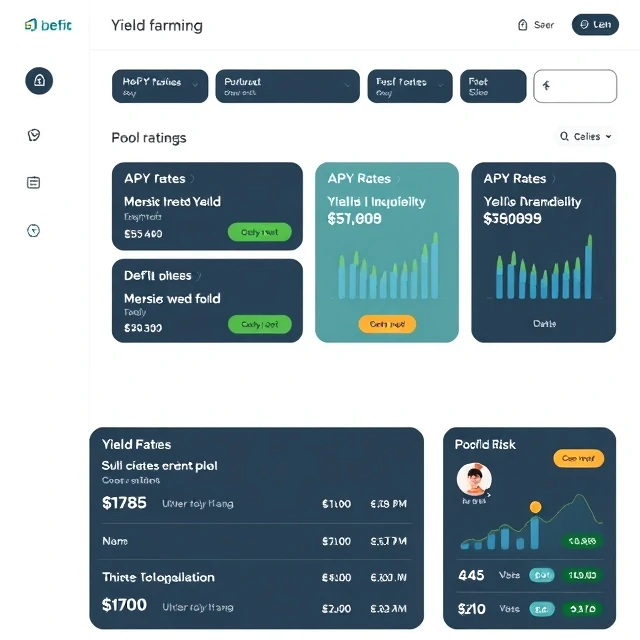
Yield farming earns rewards by providing liquidity to DeFi protocols. You deposit tokens into a pool, and the protocol pays you in trading fees, governance tokens, or both. The yields can be high. Triple-digit APY is common during incentive programs. The risk is equally high. Smart contracts get exploited. Impermanent loss eats into returns. Governance tokens that look valuable today can crash tomorrow. Farmers chase the highest yield across chains, moving funds from one protocol to another. The game rewards speed and risk tolerance.
Yield farming is not investing. It is market making. You are providing liquidity so others can trade. In return, you earn fees and incentives. The risks are real. In 2020, food-themed farms like Yam and SushiSwap promised enormous returns. Some delivered. Many collapsed. The farms that survived had strong teams, audited code, and sustainable tokenomics. The ones that failed had high yields and nothing else. Farming can be profitable, but it requires work. You need to understand the protocol, the token emissions, and the exit strategy. Passive farmers get farmed.
Yield farming essentials
- Liquidity provision — deposit tokens into a pool
- Rewards — trading fees plus token incentives
- Impermanent loss — price divergence risk
- Token emissions — high yields often paid in inflationary tokens
If the yield is 1,000 percent, ask where the money comes from. Usually it comes from the next farmer.
Comments
No comments yet. Be the first to share a thought.
Leave a comment