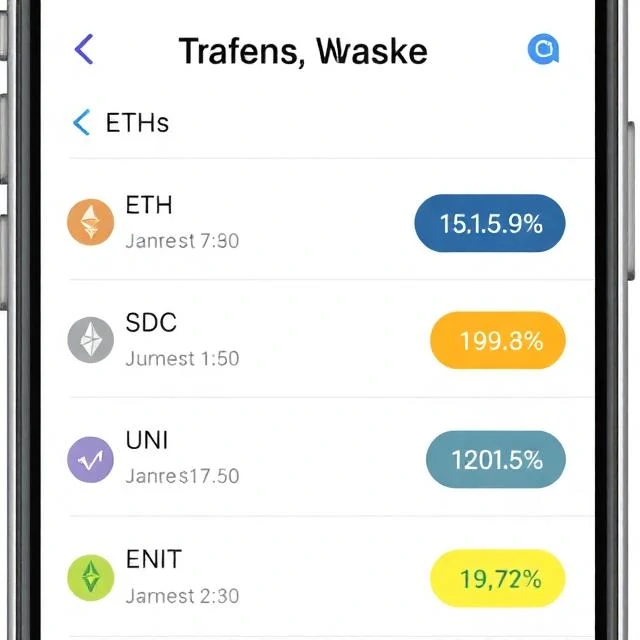
A token is a digital asset issued on an existing blockchain. It is not the native coin of the chain. ETH is a coin. USDC is a token on Ethereum. The distinction matters for fees. Sending an ERC-20 token costs ETH for gas, not the token itself. Tokens can represent almost anything: stablecoins, governance rights, utility access, real-world assets, or memes. The ERC-20 standard made it easy to create them. Thousands exist, and most are worthless.
Tokens serve different purposes. Utility tokens grant access to a service. Governance tokens give holders voting power over a protocol. Security tokens represent ownership in an asset and are subject to securities law. Stablecoins hold a peg. Meme tokens exist for speculation. The category is broad and not particularly useful for making investment decisions. A token with a clear use case and active development is different from a token created in five minutes on a whim. The blockchain does not distinguish between them. Both are valid ERC-20 contracts. The market eventually does the distinguishing, often painfully.
Token categories
- Utility — access a service or product
- Governance — voting rights in a protocol
- Security — ownership in an asset, regulated
- Stablecoin — pegged to a stable asset
- Meme — speculative, community-driven
Tokens are easy to create and hard to make valuable. The code is not the hard part. The adoption is.
Comments
No comments yet. Be the first to share a thought.
Leave a comment