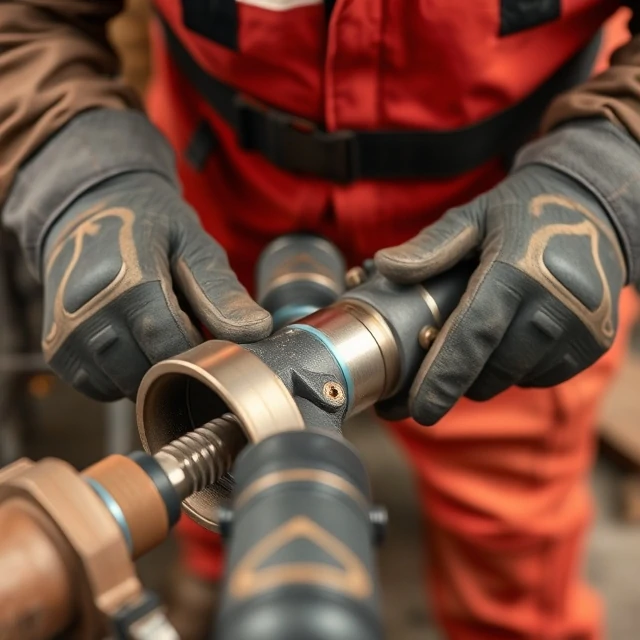
Pipefitting is the trade of assembling and installing piping systems. Pipefitters work with pipes that carry water, steam, gas, chemicals, and other fluids. They cut, thread, bend, and weld pipes. They install valves, fittings, and supports. They test the system for leaks and pressure. Pipefitting is used in industrial plants, commercial buildings, and power plants. It is different from plumbing, which focuses on water and waste in buildings. Pipefitting is broader and often more industrial.
Pipefitters work with many materials. Steel pipe is common for high-pressure and high-temperature systems. Copper pipe is used for water and refrigeration. Plastic pipe, like PVC and CPVC, is used for chemical and water systems. Stainless steel is used for corrosive and sanitary applications. The material determines the joining method. Steel pipe can be threaded, welded, or grooved. Copper pipe is soldered or brazed. Plastic pipe is solvent-welded or fused. Each method requires its own tools and skills.
Pipefitting requires reading isometric drawings and blueprints. The pipefitter must plan the route, measure the lengths, and account for fittings and valves. The work must be precise. A pipe that is cut too short will not fit. A pipe that is misaligned will leak. The pipefitter uses levels, squares, and lasers to align the system. The system must be supported to prevent sagging and vibration. It must be insulated to prevent heat loss and condensation. It must be tested before it is put into service. Pipefitting is a skilled trade. It is essential to modern industry.
Comments (2)
Leave a comment