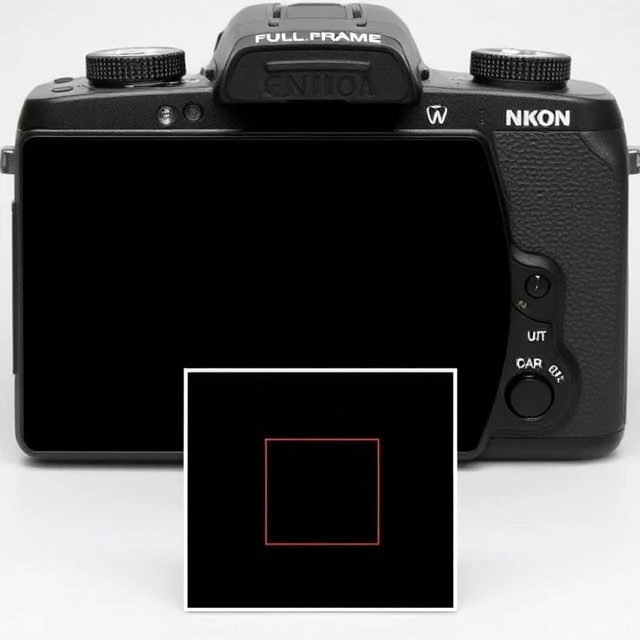
A full-frame sensor is the same size as a frame of 35mm film. That is 36mm by 24mm. It is called full frame because it is the reference size, not because it is better in every way. A larger sensor captures more light, which generally means better low-light performance and shallower depth of field at the same aperture and field of view. It also allows wider angles with the same lens. But full-frame cameras are larger, heavier, and more expensive than crop-sensor cameras.
Full frame is a standard, not a requirement. Many professional photographers use full frame for weddings, portraits, and landscape work, where image quality and low-light performance matter. Others use crop sensors or medium format, depending on their needs. Full-frame lenses are also larger and more expensive, though they can often be used on crop-sensor cameras with a narrower field of view. The choice between full frame and crop sensor is a trade-off between image quality, size, weight, and cost. There is no single right answer.
Full-frame facts
- Size. 36mm by 24mm, the same as 35mm film.
- Low light. Larger pixels generally mean less noise.
- Depth of field. Shallower at the same aperture and field of view.
- Cost. Cameras and lenses are more expensive.
Full frame is not the same as medium format. Medium format sensors are larger still, and they are used for high-resolution commercial and landscape work.
Comments
No comments yet. Be the first to share a thought.
Leave a comment