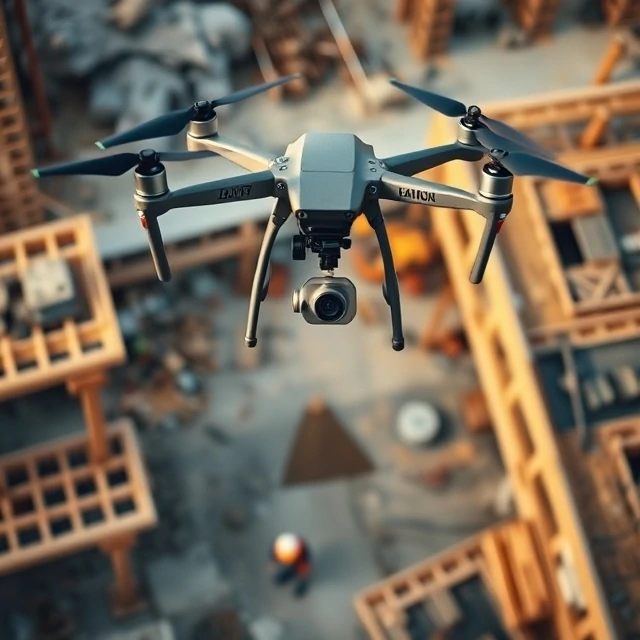
A drone is a small aircraft with a camera, controlled from the ground. It can hover, fly a programmed route, and capture images from angles that were once the preserve of helicopters and planes. Drone photography has become one of the fastest-growing areas of the medium, used in real estate, agriculture, construction, film, and journalism.
The technology is accessible. A consumer drone can fit in a backpack, launch in seconds, and stream live video to a phone. Professional drones carry larger sensors, interchangeable lenses, and flight planning software. Regulations vary widely. In the United States, the FAA requires registration and, for commercial work, a remote pilot certificate. In the European Union, similar rules apply. No-fly zones, altitude limits, and line-of-sight requirements constrain where and how drones can fly. Privacy is another issue. A drone can hover over private property and capture images without consent. Laws are still catching up.
What drones are used for
- Real estate. Aerial views of properties and land.
- Agriculture. Crop monitoring and field mapping.
- Construction. Progress documentation and inspection.
- Film and television. Dynamic aerial shots.
- Journalism. Coverage of disasters and inaccessible areas.
Drone photography is not just about altitude. It is about perspective. The best drone images use the aerial view to reveal something new.
Comments
No comments yet. Be the first to share a thought.
Leave a comment