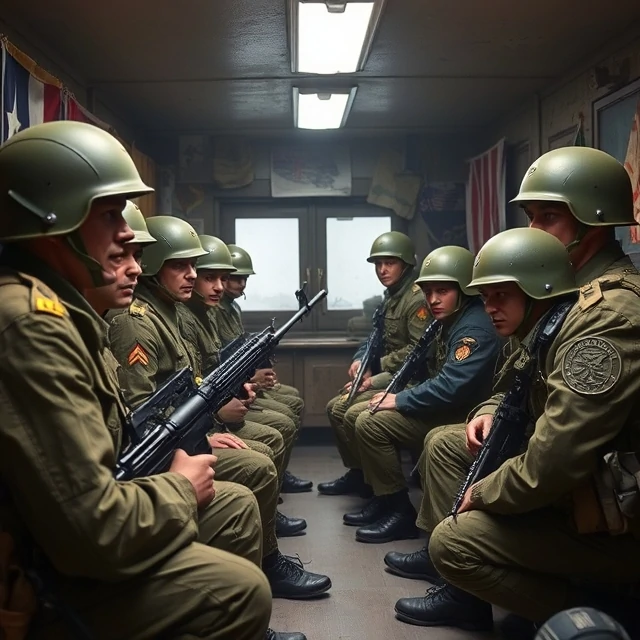
A second global conflict erupted in 1939 and lasted until 1945. World War II involved most of the world’s nations in a struggle between the Axis powers and the Allies, fought across Europe, Asia, Africa, and the oceans.
The war featured industrialized slaughter, genocidal policies including the Holocaust, strategic bombing, and the first use of nuclear weapons. Civilian deaths matched or exceeded military losses in many theaters. The defeat of Germany and Japan left the United States and the Soviet Union as dominant powers and set the framework for the Cold War.
Reconstruction, decolonization, and the creation of new international institutions followed. The war’s moral and political lessons remain contested, yet its scale and consequences make it a defining event of modern history. Archives, oral histories, and physical ruins continue to yield new research.
- Global conflict of 1939–1945
- Fought between Axis and Allied coalitions
- Included genocide and nuclear warfare
- Reshaped the international order
Comments (4)
Leave a comment