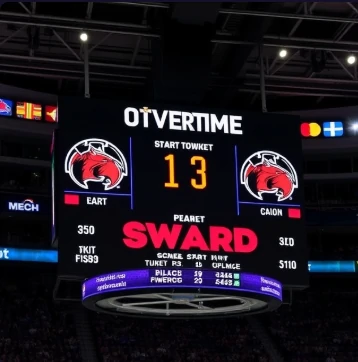
Regulation time ends with the scores level, so the contest continues into an additional period. That extra period is overtime. It exists to produce a winner when the regular duration could not.
Rules for overtime vary widely. Some sports use a full extra period; others employ sudden-death formats in which the first score ends the contest. Length, number of players, and tiebreak procedures differ by code and competition. Fatigue and accumulated fouls often play larger roles than in regulation.
Overtime places a premium on composure and conditional fitness. Teams may alter tactics, becoming more cautious or more aggressive depending on the format. Fans experience heightened tension because every action carries increased decisive weight. The athlete who performs when already exhausted often decides the outcome.
- Additional playing period used to break a tie
- Formats include full periods and sudden death
- Increases the importance of fitness and composure
- Produces a winner when regulation could not
Comments
No comments yet. Be the first to share a thought.
Leave a comment