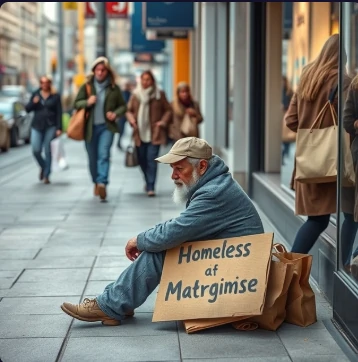
Some people live at the edge of society. They are not enslaved or imprisoned, but they are excluded from full participation. Marginalization is the process of pushing groups to the edge of society with limited access to resources, rights, and opportunities. It affects the poor, racial minorities, immigrants, disabled people, LGBTQ+ individuals, and others.
Marginalization is structural. It is built into housing markets, school funding, hiring practices, and political representation. It is not just individual prejudice. It is the cumulative effect of policies and institutions that leave some people behind.
Dimensions of marginalization
- Economic: low income, unstable work, poverty
- Political: lack of voice, underrepresentation
- Social: stigma, isolation, discrimination
- Spatial: segregation, poor housing, food deserts
- Cultural: devaluation of language, religion, or identity
Marginalization is not inevitable. Policies like affirmative action, universal healthcare, and affordable housing can reduce it. But without deliberate effort, it tends to reproduce itself across generations.
Comments
No comments yet. Be the first to share a thought.
Leave a comment