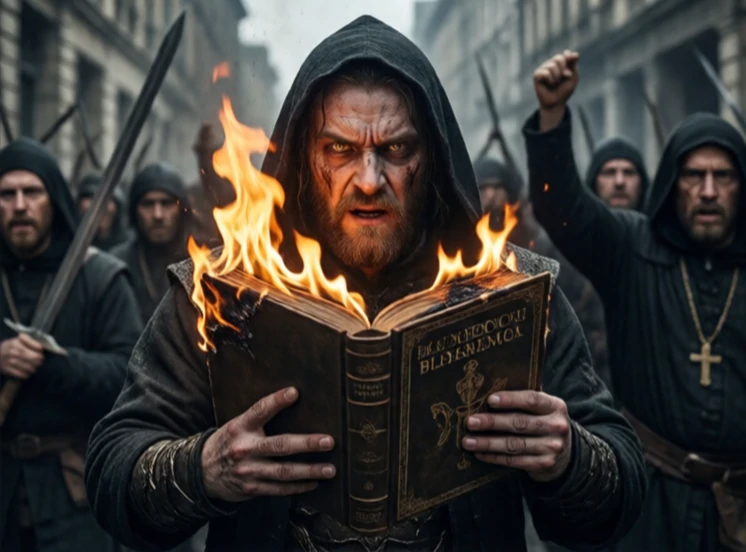
Blasphemy is irreverent speech or action against God or sacred things. It is the act of showing contempt for God. It can be words or actions. It can be cursing God. It can be mocking religion. It can be desecrating a sacred object. It is considered a serious sin in many religions. It is also a crime in some countries.
The Bible takes blasphemy seriously. Leviticus 24 says anyone who blasphemes the name of the Lord shall be put to death. The New Testament says blasphemy against the Holy Spirit will not be forgiven. Jesus was accused of blasphemy. He claimed to forgive sins. He claimed to be the Son of God. The religious leaders considered it blasphemy. They sentenced him to death. Islam also prohibits blasphemy. It is considered a grave sin. Some countries enforce severe punishments.
Blasphemy in history and law
- Ancient Israel: death penalty for blasphemy.
- Medieval Europe: blasphemy laws enforced by the church.
- Islamic law: blasphemy is a serious offense.
- Modern secular states: blasphemy laws often repealed.
- Free speech: blasphemy is protected in many countries.
Blasphemy is controversial. In secular societies, it is protected as free speech. You can mock religion. You can criticize God. That is legal. In religious societies, it is a crime. It is punished. That is the tension. The right to free speech clashes with the right to respect for the sacred. Both are important. Both are limited. Blasphemy laws protect the sacred. Free speech protects the individual. The balance is different in every country. The debate continues. What is blasphemy? Who decides? What is the punishment? These are not easy questions. They go to the heart of how we live together. With our differences. With our beliefs. With our freedoms.
Comments
No comments yet. Be the first to share a thought.
Leave a comment