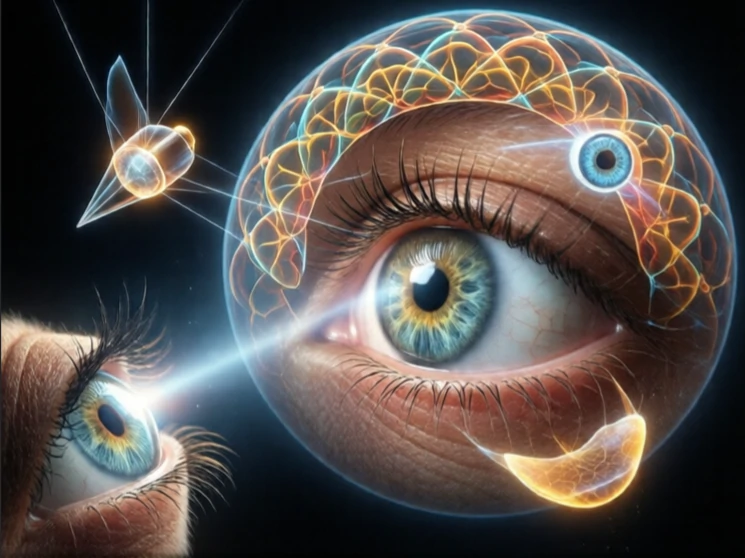
Bottom-up processing is the analysis of sensory information that begins with the receptors and works upward toward more complex representations. It is data-driven: the features present in the stimulus dictate the percept.
In vision, photoreceptors detect light intensity and wavelength; subsequent stages extract edges, orientation, motion, and eventually object identity. In audition, hair cells respond to frequency and intensity; higher stations build timbre, location, and speech. Bottom-up processing is automatic and fast. It operates even when the observer has no expectations or when the stimulus is unfamiliar.
Pure bottom-up processing is an idealization. In real perception, top-down influences—knowledge, context, and attention—constantly interact with the incoming data. Yet the distinction remains useful. Illusions that persist even when we know the trick reveal the power of bottom-up mechanisms; the ability to recognize a degraded or unexpected object reveals the contribution of top-down knowledge.
Bottom-up processing is the nervous system’s first pass at making sense of the raw energy that reaches the senses.
Comments
No comments yet. Be the first to share a thought.
Leave a comment