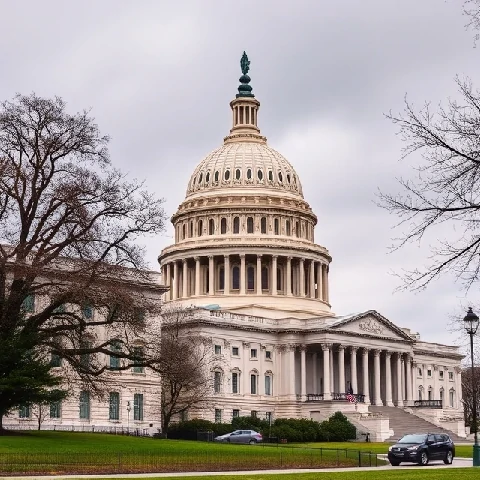
In the United States the national legislature is called Congress. It consists of two chambers: the House of Representatives, apportioned by population, and the Senate, which gives each state equal representation. Together they write federal law, control spending, and check the executive and judiciary.
Bills must pass both chambers in identical form before going to the president. Committees do most of the detailed work. Party leaders organize the floor agenda. Congress also confirms senior appointments, ratifies treaties (Senate), and can remove officials through impeachment.
The term is sometimes used more loosely for other national legislatures, but the American institution remains the primary reference. Its powers and procedures are set by the Constitution and refined by two centuries of practice, rules, and court decisions. Public approval of Congress often lags behind that of other institutions, yet its constitutional role remains central.
- National legislature of the United States
- Bicameral: House and Senate
- Passes laws, budgets, and oversight measures
- Checks the other branches of government
Comments (2)
Leave a comment