Transmission lines carry electricity over long distances at high voltage. Higher voltage means lower current for the same power, and lower current means less energy lost as heat. That is why long lines run at 100,000 to 800,000 volts. Distribution lines, by contrast, operate under 35,000 volts.
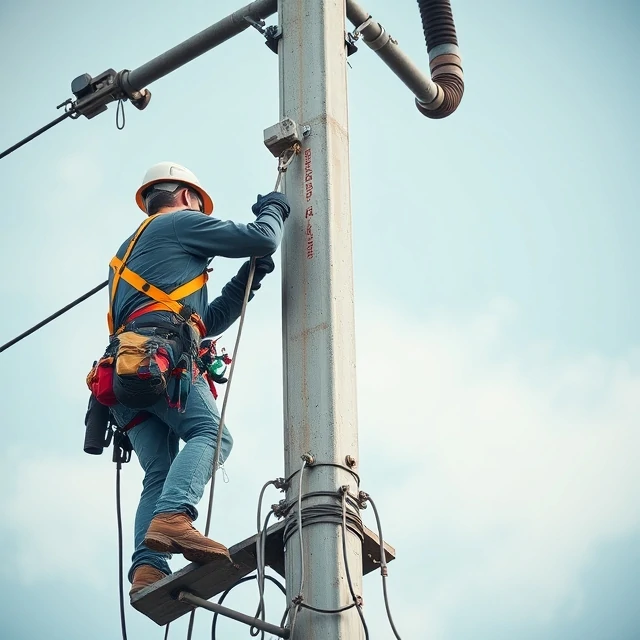
The lines are usually aluminum cables wrapped around a steel core. They hang from towers or poles. Underground cables exist but cost five to ten times more and are harder to repair. Most transmission is overhead. Right-of-way clearing, tower maintenance, and storm repair keep crews busy year-round.
The transmission network is aging and strained. Many lines were built decades ago. New renewable projects often sit far from cities, requiring new lines that take years to permit and build. Congestion raises costs and blocks clean power. Upgrading the grid is one of the biggest obstacles to the energy transition.
Key features
- High voltage
- Aluminum conductor steel reinforced
- Towers and poles
- Right-of-way management
- Grid interconnection
Comments
No comments yet. Be the first to share a thought.
Leave a comment