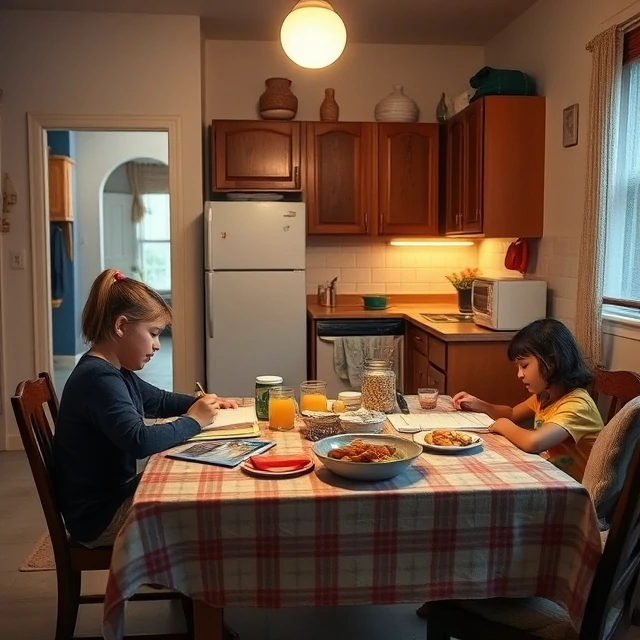
Poverty is the state of lacking sufficient resources for basic needs. It means not having enough for food, shelter, healthcare, or education. The definition varies by country and context. Absolute poverty measures against a fixed threshold, like the international line of about $2.15 per day. Relative poverty measures against the median income in a society.
Poverty is not just about money. It affects health, education, and opportunity. Children in poverty are more likely to miss school, suffer from malnutrition, and face stress that harms brain development. Adults in poverty struggle with unstable work, poor housing, and limited access to credit.
Escaping poverty is hard. It requires more than a job. It needs reliable transportation, affordable childcare, healthcare, and a financial cushion for emergencies. Policies that address these barriers have reduced poverty in many countries. The problem persists, but it is not inevitable.
Common measures
- Absolute poverty line
- Relative poverty rate
- Multidimensional poverty index
- Food insecurity
- Housing instability
Comments
No comments yet. Be the first to share a thought.
Leave a comment