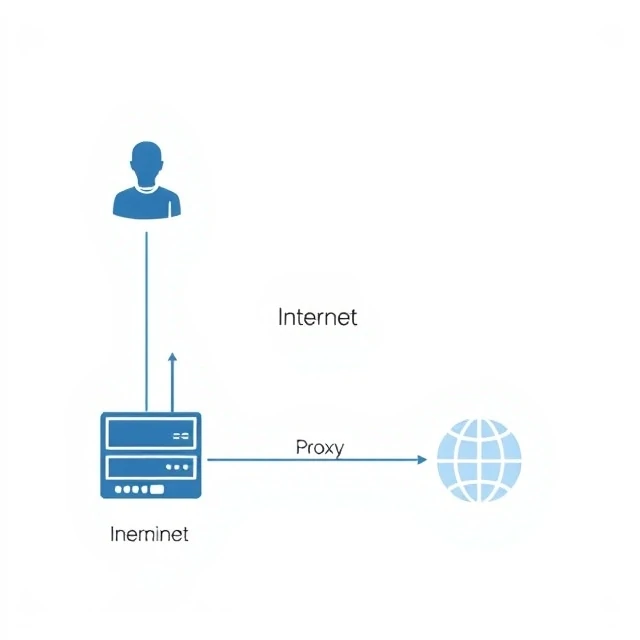
A proxy server sits between a client and the internet. The client sends requests to the proxy. The proxy forwards them to the destination and returns the response. The destination sees the proxy's IP address, not the client's. That makes proxies useful for anonymity, content filtering, and caching. A corporate proxy logs traffic and blocks categories of websites. A residential proxy routes traffic through a home IP to avoid detection. A reverse proxy sits in front of web servers, handling load balancing, TLS termination, and caching.
Proxies are not VPNs. A VPN encrypts all traffic and tunnels it to a remote server. A proxy handles specific applications or protocols and may not encrypt anything. SOCKS proxies work at a lower level and support more types of traffic. HTTP proxies handle web requests. Transparent proxies require no client configuration. Each type has different use cases. Attackers use proxies to hide their origin. Defenders use them to inspect and control traffic. The same technology serves both sides. What matters is who controls the proxy and what they do with the logs.
Proxy types
- Forward proxy — sits between clients and the internet
- Reverse proxy — sits in front of servers
- Transparent proxy — intercepts traffic without configuration
- SOCKS proxy — lower-level, supports more protocols
- Residential proxy — routes through home IP addresses
A proxy is a middleman. Trust depends entirely on who runs it and why.
Comments
No comments yet. Be the first to share a thought.
Leave a comment