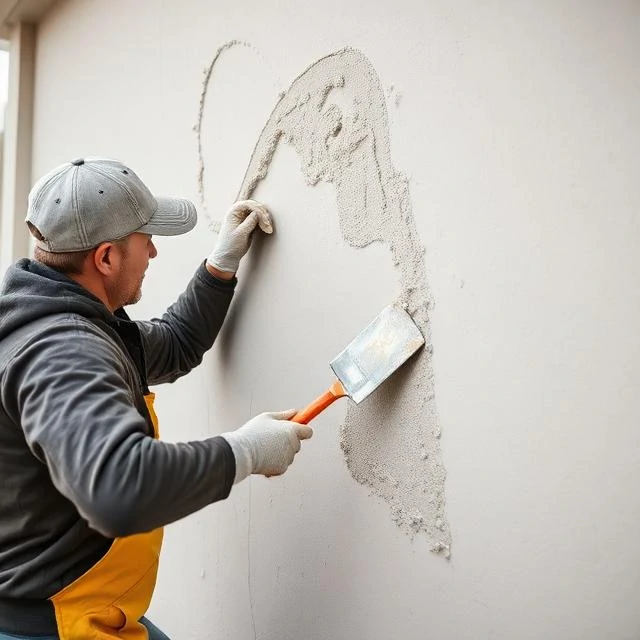
Rendering applies a cement-based coat to external walls for protection and finish. It is a traditional technique used in many parts of the world. The render is a mixture of cement, sand, lime, and water. It is applied in layers over masonry or concrete. The first coat is the scratch coat. The second is the brown coat. The third is the finish coat. The finish can be smooth, textured, or colored. Rendering protects the wall from rain, wind, and sun. It also improves the appearance.
Rendering is not the same as plastering. Plastering is for interior walls. Rendering is for exterior walls. Plastering uses gypsum or lime. Rendering uses cement or lime. Rendering must be more durable because it is exposed to the weather. It must be able to breathe so moisture does not get trapped behind it. It must be able to move with the wall without cracking. The mix and the application must be right. A poor render cracks, falls off, and lets water in.
Rendering has several benefits. It seals the wall against water. It covers uneven surfaces. It can be tinted or painted. It can be textured to create a decorative finish. It can improve the thermal performance of the wall slightly. It is also a craft. The renderer uses a trowel and a float to apply and finish the coat. The work is physical and skilled. A good render lasts for decades. A bad one fails in a few years. Rendering is a small part of the building. It is the face it shows to the world.
Comments
No comments yet. Be the first to share a thought.
Leave a comment