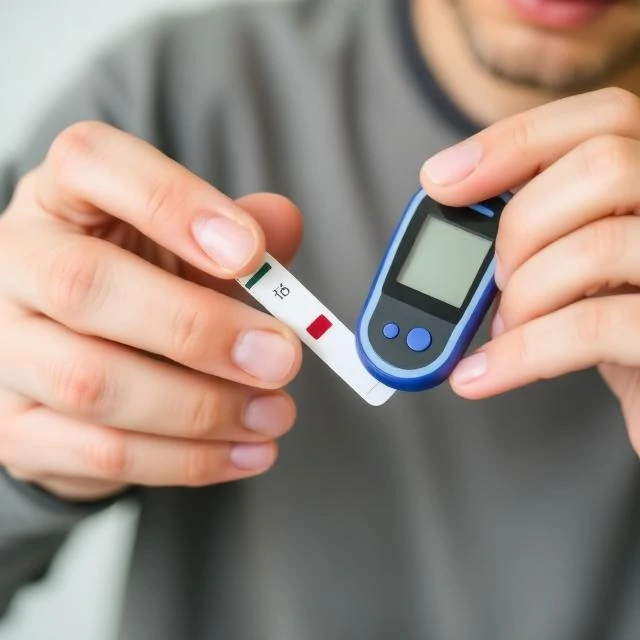
A diabetic pricks a finger, applies a drop of blood to a strip, and inserts it into a meter. Seconds later, the meter displays a glucose reading. That is a biosensor. It combines a biological recognition element with a physical transducer to detect a target molecule. The recognition element might be an enzyme, an antibody, or a strand of DNA. The transducer converts the biological interaction into a measurable signal.
Biosensors come in many forms. Electrochemical sensors, like glucose monitors, measure current or voltage changes. Optical sensors measure fluorescence or color changes. Piezoelectric sensors measure mass changes. Each has advantages in sensitivity, speed, and cost. The glucose monitor is the most commercially successful biosensor, used by hundreds of millions of people.
The applications extend far beyond diabetes. Biosensors detect pathogens in food and water. They monitor environmental pollutants. They screen for drugs and biomarkers in blood. Wearable biosensors track heart rate, oxygen saturation, and sweat chemistry. Implantable biosensors monitor glucose continuously and release insulin automatically.
The challenge is stability. Biological molecules degrade over time, especially outside a controlled lab. A biosensor must work reliably in the real world, at room temperature, in a drop of blood, by an untrained user. That is hard engineering. When it works, it changes lives.
Comments
No comments yet. Be the first to share a thought.
Leave a comment