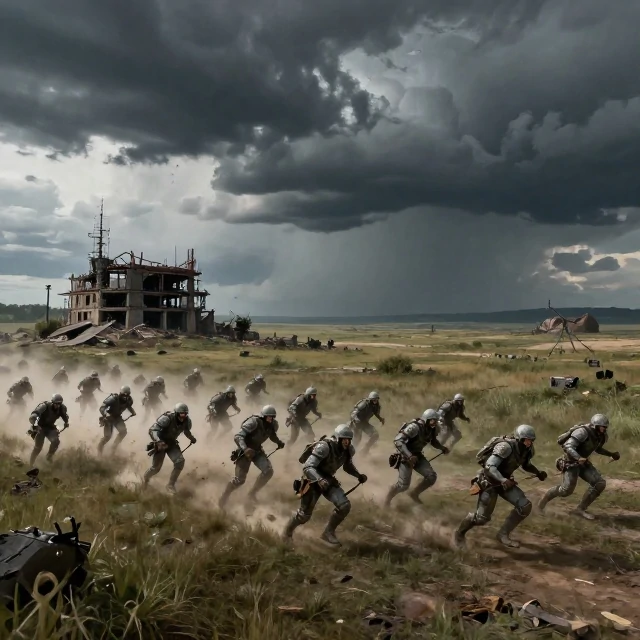
In competitive gaming, a rush is the opposite of a slow, careful build-up. Players pour early resources into combat units and charge the opponent before defenses are ready. The goal is simple: end the match before the other side can stabilize.
Classic examples appear in real-time strategy games where a handful of cheap units flood an unfinished base. First-person shooters see similar tactics when teams sprint to the enemy spawn with grenades and automatic weapons. The risk is obvious. Fail the early attack and the rusher often falls behind in economy or map control for the rest of the game.
Successful rushes rely on precise timing and knowledge of standard openings. Experienced players scout constantly to detect the tell-tale signs of an aggressive push. When the rush works, the match can end in under five minutes. When it fails, the attacker is left scrambling to recover while the defender rolls forward with a stronger force.
The term has spilled into casual conversation too. Someone might say they rushed a project or a conversation, meaning they pushed hard and fast without the usual preparation.
Comments
No comments yet. Be the first to share a thought.
Leave a comment