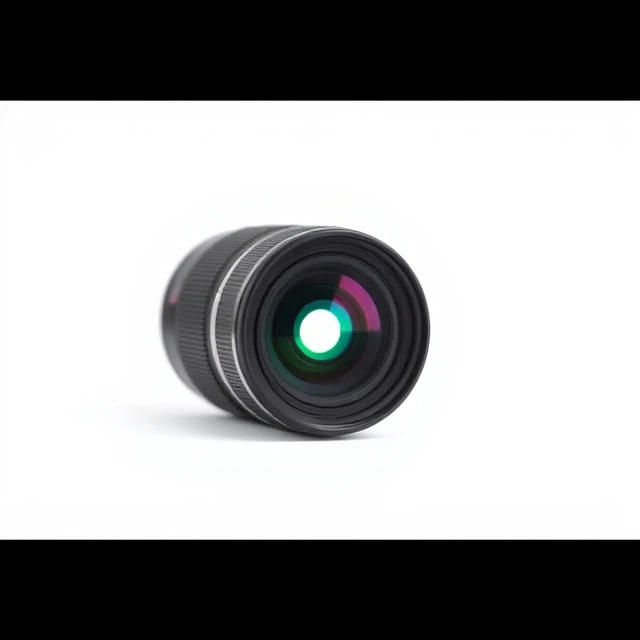
A macro lens is designed for close-up photography. It can focus very close to the subject, producing a life-size or larger image on the sensor. The defining feature of a true macro lens is its magnification ratio. A 1:1 macro lens reproduces the subject at life size on the sensor. A 1:2 lens reproduces it at half size. Some lenses claim macro capability but only reach 1:4 or less. Those are close-focus lenses, not true macro lenses. Macro lenses are available in different focal lengths, from 40mm to 200mm. Shorter focal lengths are lighter and cheaper. Longer focal lengths provide more working distance, which matters for skittish subjects like insects.
Macro photography has its own challenges. Depth of field is razor-thin at high magnification. A slight movement of the camera or subject can throw the image out of focus. Focus stacking, taking multiple images at different focus distances and combining them, is a common solution. Lighting is also difficult. The lens itself can cast a shadow on the subject. Ring flashes and twin flashes are designed to solve this problem. Macro photography reveals a world that is usually invisible. It is a genre of patience and precision.
Macro lens facts
- Magnification. 1:1 is true macro.
- Focal length. 40mm to 200mm.
- Working distance. Longer lenses provide more distance.
- Depth of field. Very shallow at high magnification.
- Lighting. Ring flashes and twin flashes help.
A macro lens is not just for insects and flowers. It can be used for product photography, detail shots, and any subject that requires close focus.
Comments
No comments yet. Be the first to share a thought.
Leave a comment