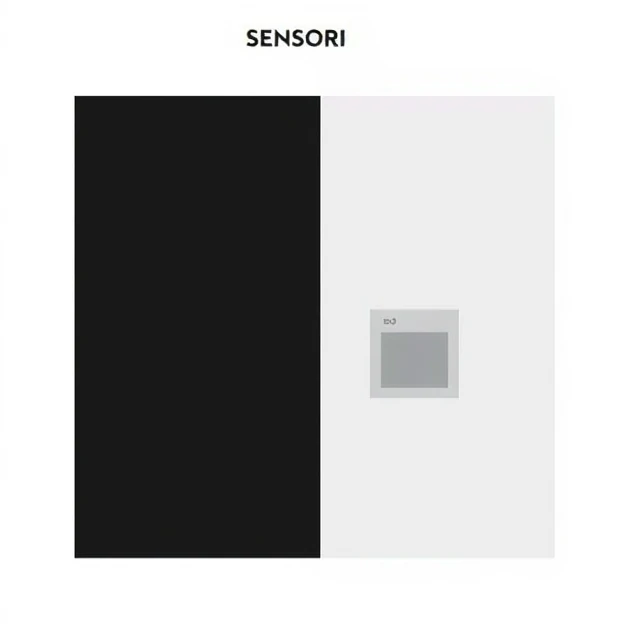
A crop sensor is smaller than a full-frame sensor. It captures a narrower field of view, cropping the edges of what a full-frame sensor would see. The most common crop factor is 1.5x for APS-C and 2x for Micro Four Thirds. A 50mm lens on a crop sensor with a 1.5x factor gives the same field of view as a 75mm lens on full frame. That extra reach is useful for wildlife and sports, where telephoto reach matters. The trade-off is a narrower view at wide angles.
Crop sensors have other differences. They are smaller and cheaper to manufacture, so cameras with crop sensors cost less. They also produce more depth of field at the same aperture and field of view, which can be an advantage or a disadvantage depending on what you shoot. Noise performance is generally better on larger sensors, because each pixel is larger and collects more light. But the gap has narrowed as sensor technology has improved. Lens compatibility is another factor. Lenses designed for crop sensors are smaller and lighter, but they may not cover a full-frame sensor.
Common crop factors
- 1.5x. Nikon DX, Sony E, Fujifilm X.
- 1.6x. Canon APS-C.
- 2.0x. Micro Four Thirds.
- 1.3x. Canon APS-H, older format.
Crop sensor is not a downgrade. It is a different tool. For some photographers, the extra reach and lower cost matter more than the wider view.
Comments (2)
Leave a comment