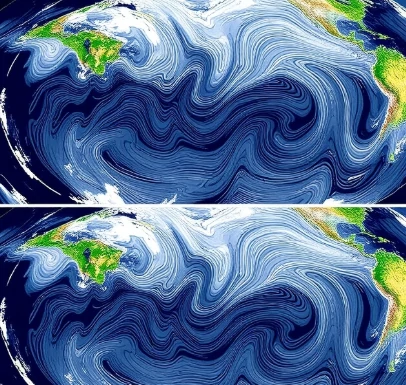
The position and strength of the jet stream are not fixed. When the jet shifts poleward or equatorward, or when its waves amplify, the weather regimes beneath it change. These shifts can last days to weeks and sometimes longer.
A more amplified jet with large north-south meanders often brings persistent weather patterns: prolonged heat or cold, drought or heavy rain. A flatter, stronger jet tends to move systems more quickly. Seasonal migration of the jet helps define the transition from winter to summer circulation.
Research continues into how Arctic warming and other climate factors may influence the frequency of certain jet configurations. Forecasters watch for these shifts because they control the overall weather pattern for large regions. Blocking patterns, in which the jet is diverted around a stationary high, are one dramatic form of shift.
- Change in jet position or amplitude
- Alters storm tracks and temperature regimes
- Can produce persistent weather
- Linked to larger climate influences
Comments
No comments yet. Be the first to share a thought.
Leave a comment