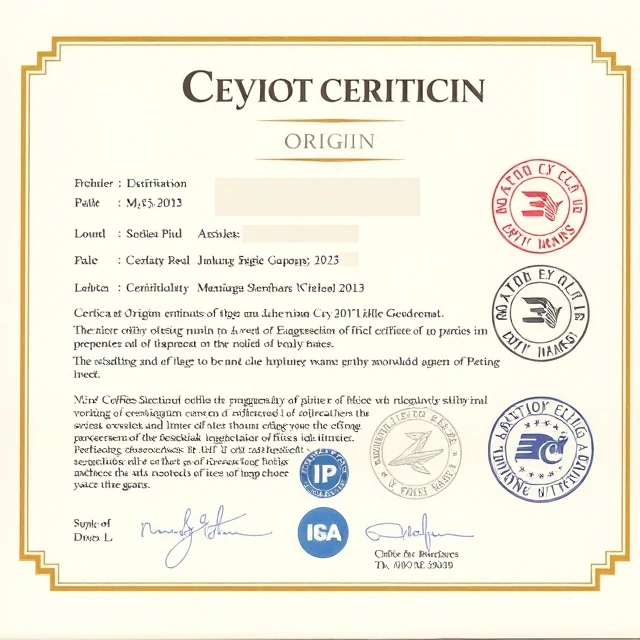
Trade agreements and import regulations often hinge on where a product was made. A certificate of origin is an official document that certifies the country in which goods were manufactured or produced.
Customs authorities use it to determine eligibility for preferential tariffs under free-trade agreements and to enforce country-of-origin marking rules. Chambers of commerce or designated agencies typically issue or attest the certificates. Electronic versions are increasingly accepted, yet many borders still require paper originals.
Incorrect or missing certificates can trigger higher duties, delays, or rejection of the shipment. Exporters must maintain supporting production records in case of audit. For preferential trade, the certificate is frequently as important as the commercial invoice itself.
- Document certifying manufacturing country of goods
- Used for tariff preference and origin rules
- Issued or attested by authorized bodies
- Critical for customs compliance in preferential trade
Comments (2)
Leave a comment