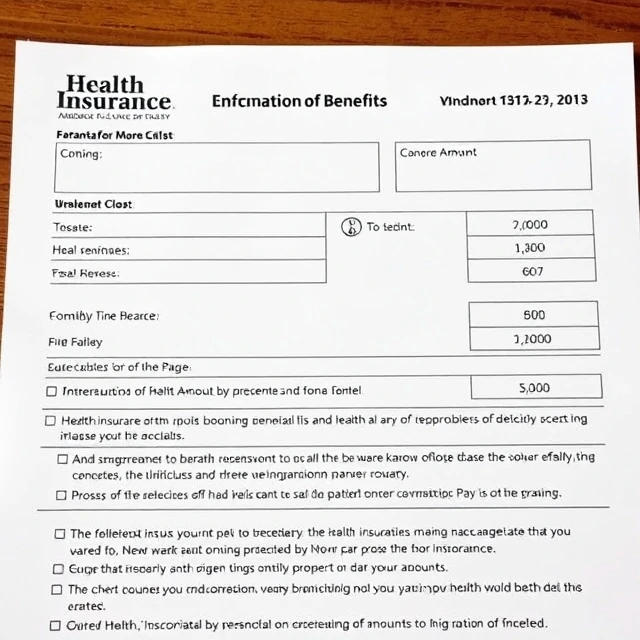
Full insurance of every exposure is not always required or desired. Coinsurance is a cost-sharing provision that obliges the insured to bear a specified percentage of each covered loss, with the insurer paying the remainder. It appears in both property and health insurance, though the mechanics differ.
In property policies, coinsurance clauses require the insured to carry a minimum percentage of the property’s value; failure to do so reduces the recovery proportionally. In health insurance, coinsurance is simply the percentage of allowed charges the patient pays after the deductible. Both forms give the insured a financial stake in the loss.
Coinsurance reduces moral hazard and keeps premiums lower than full-coverage alternatives. Policyholders must understand the percentage and any out-of-pocket maximums that limit their share. Disputes arise when the valuation of property or the determination of allowed charges is contested.
- Cost-sharing percentage paid by the insured
- Used in property and health coverages
- Encourages adequate insurance and loss control
- Subject to out-of-pocket limits in many health plans
Comments
No comments yet. Be the first to share a thought.
Leave a comment