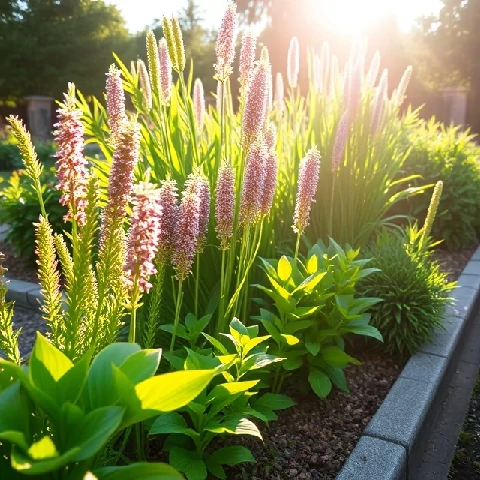
Without light from the sun, most garden plants cannot make food. Sunlight drives photosynthesis, the process that converts carbon dioxide and water into sugars. The intensity, duration, and quality of light influence growth rate, flowering, and overall vigor.
Full sun generally means at least six hours of direct light daily. Partial shade and full shade describe progressively lower levels. South-facing aspects receive the strongest light in the northern hemisphere; buildings, trees, and fences cast shifting shadows that change with the seasons.
Matching plants to available light prevents weak, leggy growth or scorched leaves. Shade-tolerant species thrive where sun-lovers would fail. Reflective surfaces and careful pruning of overhead branches can increase light in darker corners. Observing the garden at different times of day reveals the true light patterns.
- Light from the sun needed for photosynthesis
- Influences growth, flowering, and health
- Measured as full sun, partial shade, or shade
- Changes with season and surrounding structures
Comments (2)
Leave a comment