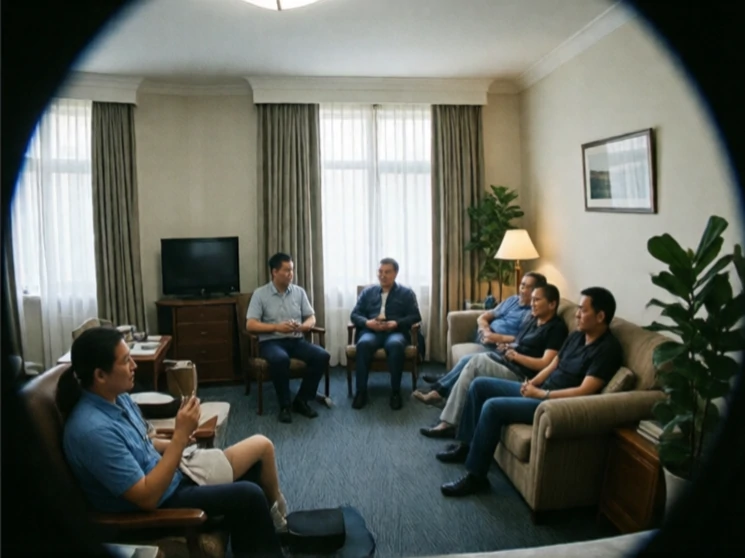
In third-person objective point of view, the narrator reports only what can be seen and heard. No thoughts. No feelings. No internal monologue. The camera is rolling, and the narrator describes what it captures.
This point of view is also called the dramatic point of view. It is like watching a play. You see the action and hear the dialogue, but you have to infer what characters are thinking from their behavior. Hemingway used it in “Hills Like White Elephants,” where a couple’s conversation reveals tension without either character’s inner thoughts being stated. The effect can be cold or mysterious. It forces the reader to work. You become a detective, reading body language and tone. It is hard to sustain over a novel, but in short stories it can be powerful. It respects the reader’s intelligence. It shows rather than tells.
Features
- Only observable actions and speech
- No thoughts or feelings
- Like a camera
- Reader infers meaning
Comments
No comments yet. Be the first to share a thought.
Leave a comment