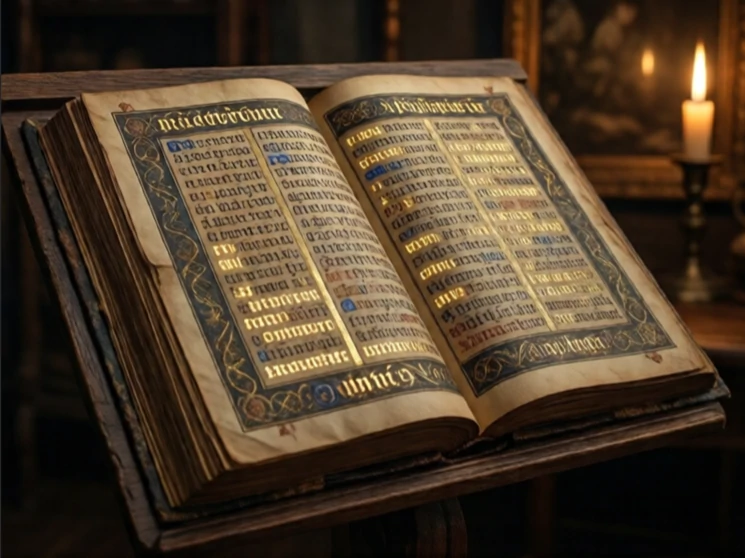
Scripture is writing that a community regards as sacred and authoritative. The content varies by tradition, yet the function is similar: these texts are not merely informative; they are the place where the divine voice is expected to be heard.
For Jews the core is the Tanakh—Torah, Prophets, and Writings. For Christians the same books, arranged differently, form the Old Testament, joined to the New Testament of gospels, letters, and apocalypse. Muslims revere the Qur’an as the final uncorrupted revelation. Other traditions have their own canons: the Vedas, the Tripitaka, the Guru Granth Sahib. In each case the process of recognition was gradual; communities discerned over time which writings carried unique weight.
How scripture functions is debated. Some traditions emphasize its inerrancy in matters of faith and practice; others stress its role as a living witness that must be interpreted within the community. Translation has always been both necessary and contested, because the power of the text is tied to the language in which it is received. Public reading, private study, and liturgical use keep the words in circulation across generations.
When a text is called scripture, the claim is that it does more than record the past. It continues to address the present.
Comments
No comments yet. Be the first to share a thought.
Leave a comment