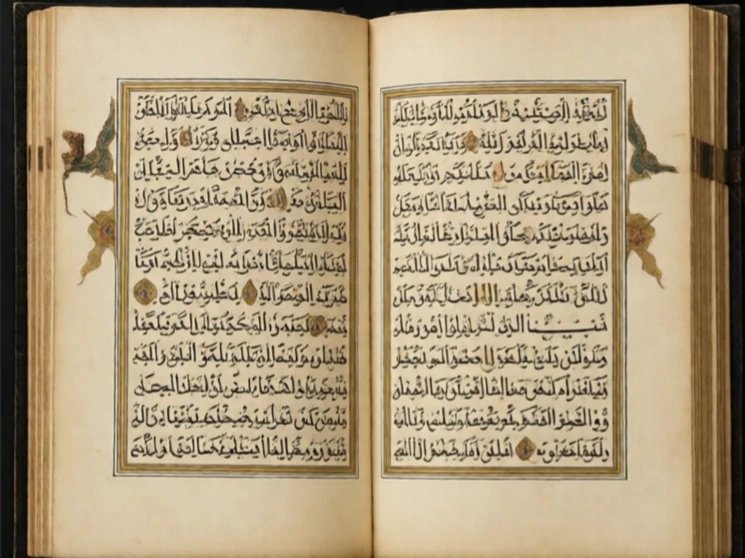
The Hadith is a collection of sayings and actions of the Prophet Muhammad. It is the second source of Islamic authority after the Quran. The Quran is the word of God. The Hadith is the words and deeds of the Prophet. It explains the Quran. It provides examples. It gives guidance. It is essential for understanding Islam. It is the record of the Sunnah, the way of the Prophet.
The Hadith was transmitted orally for generations. It was compiled in the 9th century. The most authoritative collections are Sahih al-Bukhari and Sahih Muslim. They are considered sound. Other collections include Sunan Abu Dawud, Sunan al-Tirmidhi, Sunan al-Nasa'i, and Sunan Ibn Majah. The science of Hadith criticism was developed to verify the chains of transmission. Each Hadith has a chain of narrators. If the chain is reliable, the Hadith is reliable. If the chain is weak, the Hadith is weak. The science is called ilm al-rijal, the science of men.
Hadith classifications
- Sahih: sound, authentic.
- Hasan: good, acceptable.
- Da'if: weak, unreliable.
- Maudu': fabricated, false.
- Mutawatir: mass-transmitted, certain.
The Hadith is vast. It covers law, theology, ethics, worship, and daily life. It includes stories, conversations, and actions. It is a window into the life of Muhammad. It is a source of inspiration. It is a source of law. It is a source of guidance. It is not without controversy. Some Hadiths are disputed. Some are used to justify violence. Some are used to promote peace. Muslims interpret them differently. The Hadith is a rich and complex tradition. It is the memory of the Prophet. It is the second source of Islam. It is the Hadith.
Comments
No comments yet. Be the first to share a thought.
Leave a comment