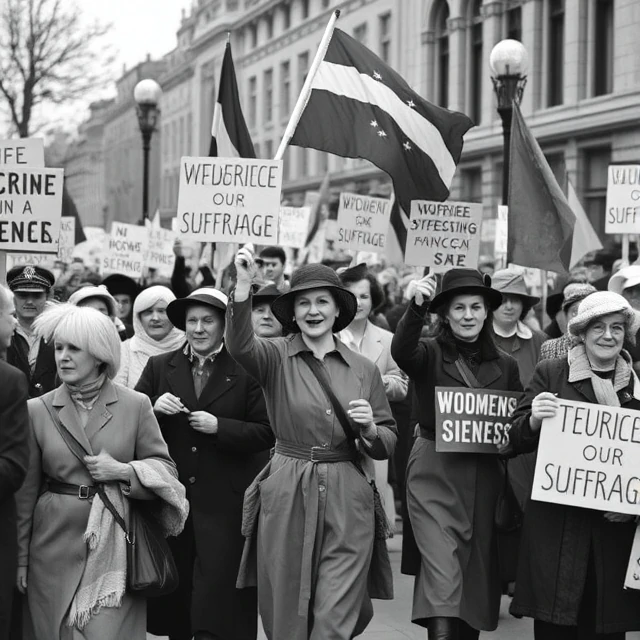
The right to vote in political elections is suffrage. Expanding suffrage has been one of the central democratizing trends of the modern era.
Historically, voting was restricted by property, race, sex, and age. Movements for universal male suffrage, women’s suffrage, and the removal of racial barriers successively broadened the electorate in many countries. The legal right does not always equal effective access; registration rules, intimidation, and practical barriers can still suppress participation.
Debates continue over voting age, felony disenfranchisement, non-citizen voting in local elections, and compulsory voting. Suffrage is both a formal legal status and a practice that requires institutional support. The inclusiveness of the franchise remains a primary measure of democratic quality.
- Right to vote in elections
- Expanded through successive reform movements
- Formal rights can be undermined by practical barriers
- Core indicator of democratic inclusion
Comments
No comments yet. Be the first to share a thought.
Leave a comment