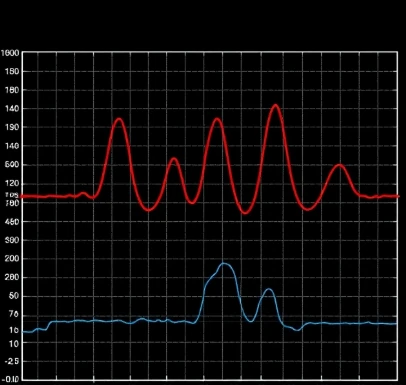
When the membrane potential becomes more negative than the normal resting value, the neuron is hyperpolarized. The change moves the cell farther from action-potential threshold and therefore reduces the likelihood of firing.
Hyperpolarization can result from the opening of potassium or chloride channels, or from the activity of electrogenic pumps. Inhibitory synapses often produce hyperpolarizing potentials, although in some cases inhibition works by shunting without a large voltage change. After an action potential, a brief after-hyperpolarization helps limit firing rate and contributes to the refractory period.
Experimentally imposed hyperpolarization is used to study voltage-dependent conductances and to prevent spiking while recording synaptic currents. In the living brain, the balance between depolarizing and hyperpolarizing influences at every moment determines whether a neuron joins a network oscillation or remains silent.
- Increase in the membrane’s negative potential
- Reduces probability of firing
- Produced by inhibitory currents or pumps
- Contributes to refractory periods and inhibition
Comments
No comments yet. Be the first to share a thought.
Leave a comment