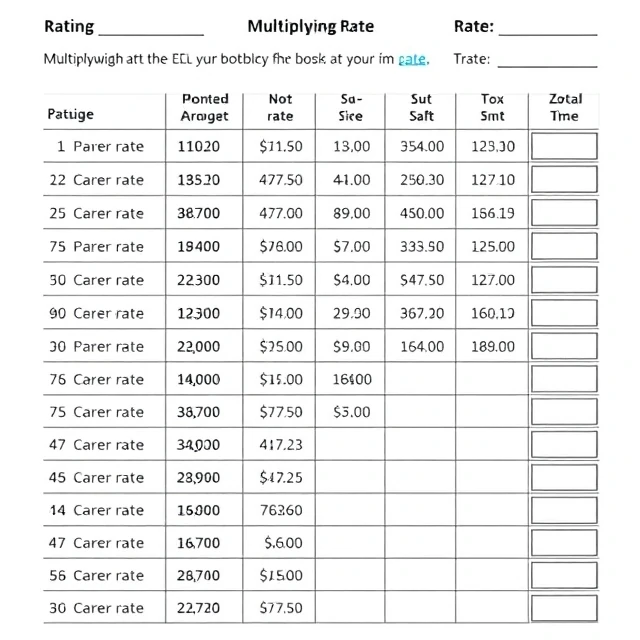
Premium is calculated by multiplying a rate by a quantity of risk. An exposure unit is that standard measure of risk quantity—each $100 of payroll, each $1,000 of value, each car-year, or each square foot of building area. The choice of unit depends on the line of insurance.
Using consistent exposure units allows rates to be compared and experience to be aggregated across many policies. Actuaries develop rates per exposure unit from historical loss data. Underwriters then apply those rates to the units declared by the applicant.
At audit the actual number of exposure units is verified and the premium adjusted. Misclassification of units or incorrect counting produces incorrect premiums. Clear definition of the exposure base in the rating manual and the policy avoids ambiguity when the final bill is calculated.
- Standard measure of risk quantity for rating
- Examples include payroll, sales, and car-years
- Rate times units equals premium
- Verified at audit for adjustable policies
Comments
No comments yet. Be the first to share a thought.
Leave a comment