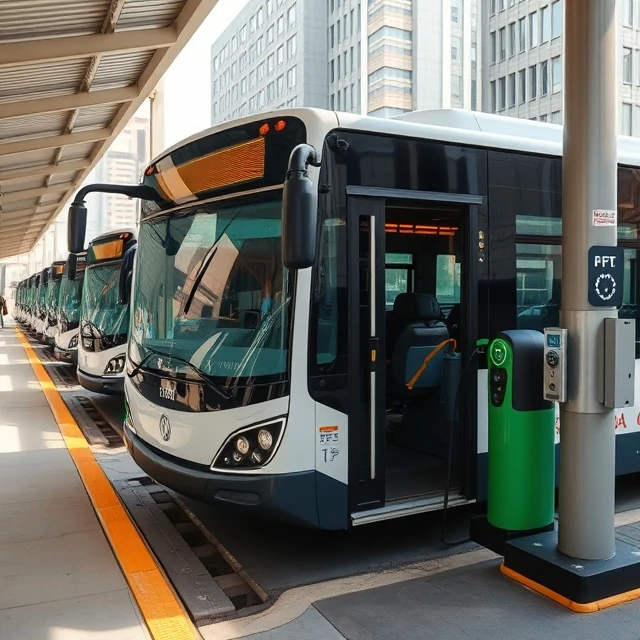
Decarbonization is the process of cutting carbon dioxide emissions from energy systems and industry. It means replacing coal, oil, and gas with cleaner alternatives, and capturing the carbon that remains. The goal is to slow climate change by reducing what humans add to the atmosphere.
Progress varies by sector. Electricity has moved fastest. Solar and wind now compete on cost with fossil fuels in many markets. Electric vehicles are spreading. Steel, cement, and aviation are harder. These industries need intense heat or energy-dense fuel, and alternatives are still expensive or unproven.
Decarbonization is not just a technical challenge. It requires policy, investment, and public support. Carbon prices, subsidies, and regulations all push the transition. So do falling costs and corporate commitments. The pace is uneven across countries and industries. Some are moving quickly. Others are locked into fossil infrastructure that will take decades to replace.
Key areas
- Power generation
- Transport
- Industry and manufacturing
- Buildings and heating
- Agriculture and land use
Comments (2)
Leave a comment