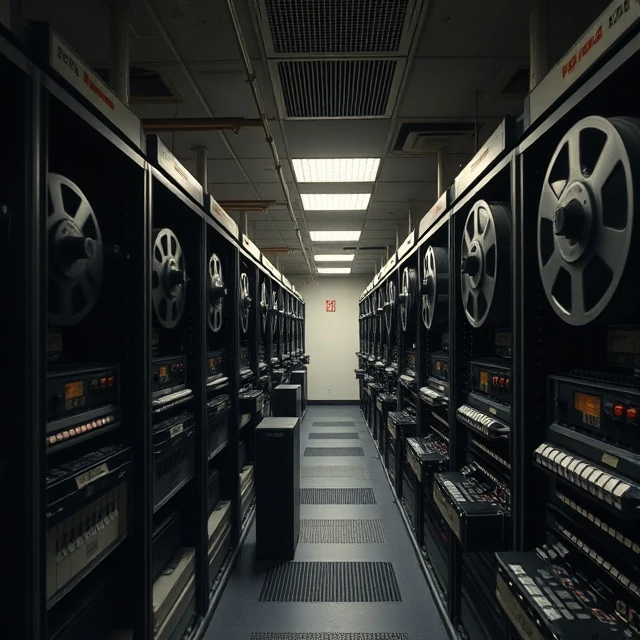
Batch processing handles data in large groups at scheduled times. Instead of processing each transaction as it arrives, the system collects them and runs them together. Banks used batch processing for decades to clear checks overnight. Payroll systems run batches to calculate wages and deductions. The model works when timeliness is less important than efficiency.
The trade-off is latency. A batch job that runs at 2 a.m. means data from the previous day is not available until morning. For payroll and billing, that is fine. For fraud detection or real-time pricing, it is not. Stream processing handles those cases by analyzing data as it arrives. Many modern architectures use both. Streaming handles urgent events. Batch handles historical analysis, reconciliation, and reporting. The two complement each other. Batch jobs are also cheaper to run because they can be scheduled during off-peak hours when compute resources are idle. Hadoop and Spark popularized large-scale batch processing across distributed clusters. The technology evolved, but the pattern is old: collect, schedule, process, deliver.
Batch processing characteristics
- Scheduled — runs at defined intervals, often overnight
- High volume — processes large datasets efficiently
- Latency tolerant — results not needed immediately
- Resource efficient — uses off-peak compute capacity
- Deterministic — same input produces same output
Batch processing is not outdated. It is the right tool when throughput matters more than speed.
Comments
No comments yet. Be the first to share a thought.
Leave a comment