Motion graphics bring graphic design into movement. Logos animate. Titles slide and fade. Infographics build themselves piece by piece. The field grew alongside film and television, from Saul Bass's title sequences in the 1950s to the kinetic typography of modern broadcast packages. Today motion graphics appear in app interfaces, social media ads, explainer videos, and digital signage.
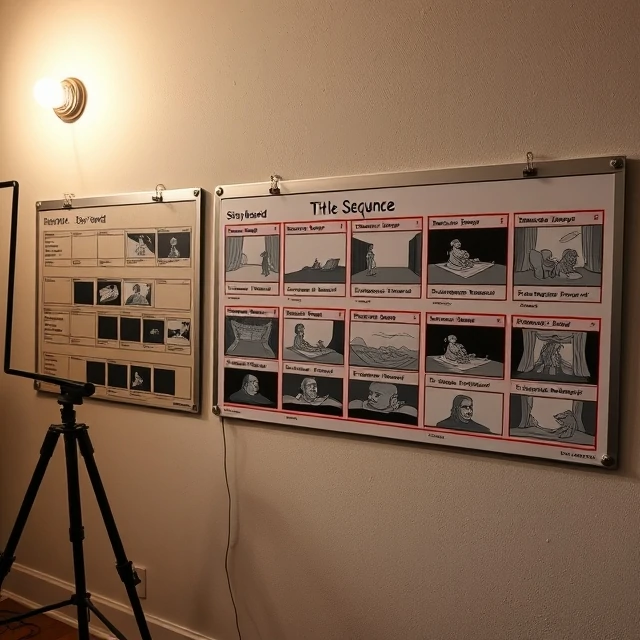
The craft borrows from animation, film editing, and graphic design. Timing matters as much as composition. A transition that lasts half a second too long feels sluggish. Easing curves, the acceleration and deceleration of movement, separate amateur work from polished work. Designers often storyboard first, then build in After Effects, Cinema 4D, or similar tools. Sound design usually arrives late, but it shapes the rhythm as much as the visuals.
Common applications
- Logo stings and brand idents.
- Animated infographics and data visualizations.
- Title sequences for film and television.
- Interface transitions and micro-interactions.
Motion graphics are not just decoration. They guide attention, explain sequences, and give brands a recognizable tempo.
Comments
No comments yet. Be the first to share a thought.
Leave a comment