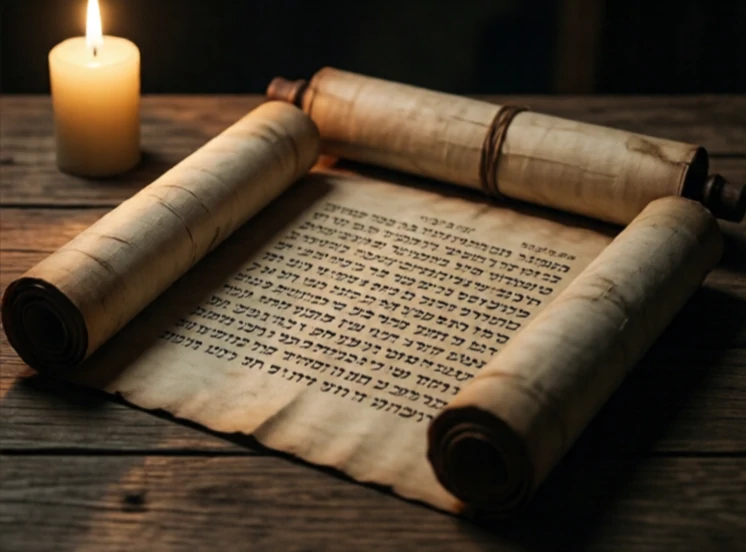
Left to itself, the human mind can speculate about God but cannot claim certain knowledge. Revelation is the claim that God has not left humanity to guess. It is God’s own act of making himself known.
In the biblical traditions revelation occurs in history and in word. God speaks to Abraham, delivers Israel from Egypt, addresses the prophets, and, according to Christian faith, becomes incarnate in Jesus. Scripture is regarded as the written deposit of that speaking. General revelation—the witness of creation and of conscience—is distinguished from special revelation, the more particular disclosure given through Israel and the church. The book that closes the New Testament is itself called Revelation, an apocalyptic unveiling of the end of the age.
Theology has long debated how revelation is received. Some emphasize propositional content—truths that can be stated and believed. Others stress personal encounter—the self-disclosure of God that transforms the recipient. Most classical accounts hold both together: God reveals both facts about himself and his own presence. The process is not exhausted in the past; the Spirit continues to illuminate the written word and to guide the community.
Without some form of revelation, religious language risks becoming pure projection. With it, the conversation is initiated from the other side.
Comments
No comments yet. Be the first to share a thought.
Leave a comment