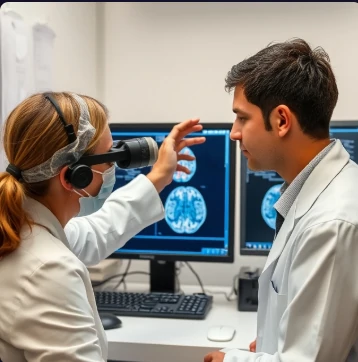
A researcher records the firing of neurons while a monkey decides which image to select. Biopsychology investigates how the brain, hormones, and genes produce behavior and mental life.
The field draws on neuroscience, physiology, and genetics. Topics range from the neural circuits of hunger and sleep to the effects of neurotransmitters on mood and the genetic contributions to temperament. Methods include brain imaging, lesion studies, pharmacological challenges, and increasingly precise genetic tools.
Biopsychologists reject any sharp split between biology and experience. Learning changes synaptic strengths; stress alters hormone profiles; culture shapes how genetic predispositions are expressed. Clinical applications appear in psychopharmacology, neurorehabilitation, and the understanding of disorders such as Parkinson’s disease or depression. The discipline keeps psychology anchored in the physical systems that make mind possible.
Every thought and impulse leaves a trace in living tissue.
Comments
No comments yet. Be the first to share a thought.
Leave a comment