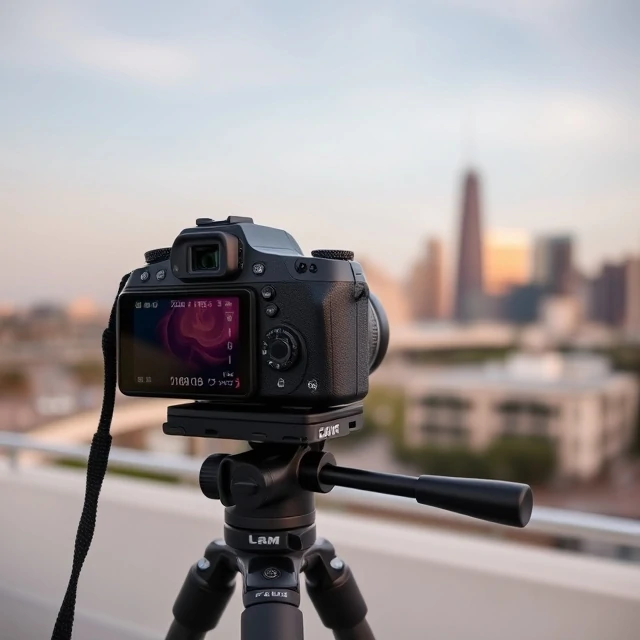
Time-lapse is a technique that captures a sequence of images at intervals and plays them back rapidly. The result is a video that shows slow processes in a short time. A flower opening, a city skyline changing from day to night, clouds moving across a mountain. Time-lapse compresses time, revealing patterns and movements that are invisible in real time. It is used in nature documentaries, architecture, and art.
Time-lapse requires a camera that can shoot at intervals, usually with an intervalometer or a built-in interval timer. The camera is mounted on a tripod and left to shoot. The interval between frames depends on the subject. A flower opening might need one frame every minute. A city skyline might need one frame every few seconds. The total number of frames determines the length of the final video. At 24 frames per second, a 10-second video needs 240 frames. That could take hours or days to capture. Post-processing involves assembling the frames into a video, often with software that can smooth flicker and adjust exposure. Time-lapse is a patient craft. It requires planning, patience, and a good power supply.
Time-lapse tips
- Use a tripod. Stability is essential.
- Set the interval. Match the interval to the subject.
- Lock exposure. Prevent flicker between frames.
- Use a power supply. Long shoots drain batteries.
- Plan the shot. Know what you want to show.
Time-lapse is not the same as slow motion. Slow motion captures fast action and plays it back slowly. Time-lapse captures slow action and plays it back quickly.
Comments
No comments yet. Be the first to share a thought.
Leave a comment