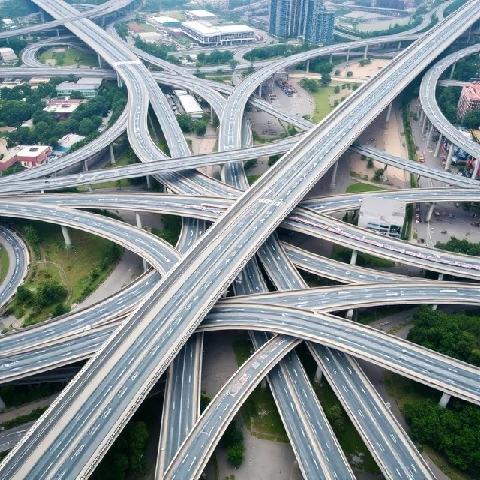
Roads, pipes, wires, and ports make modern life possible. Infrastructure refers to the basic physical systems and facilities that enable an economy and society to function—transport networks, energy grids, water supply, sanitation, and telecommunications.
Well-maintained infrastructure lowers the cost of moving goods and people and supports public health. Aging or inadequate infrastructure constrains growth and increases vulnerability to disasters. Investment decisions shape urban form and regional development for decades.
Climate change adds new demands for resilient design against floods, heat, and storms. Digital infrastructure has joined the traditional categories as essential. Geographers study the spatial distribution of infrastructure and the inequalities that arise when access is uneven.
- Basic physical systems serving a region
- Includes transport, energy, water, and communications
- Critical for economic activity and quality of life
- Requires ongoing investment and maintenance
Comments
No comments yet. Be the first to share a thought.
Leave a comment