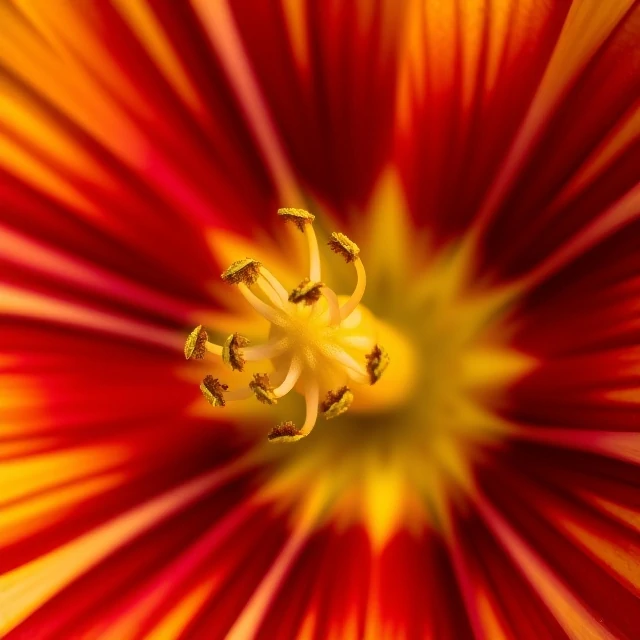
A flower is the specialized structure a plant uses to reproduce sexually. Petals, sepals, stamens, and pistils work together to attract pollinators, transfer pollen, and produce seeds. Color, scent, and nectar guide insects, birds, or wind to do the work of pollination.
After successful fertilization the ovary develops into a fruit that protects the seeds. Some flowers are complete, containing both male and female parts; others are incomplete or unisexual. Gardeners select plants for the beauty of their flowers, the length of the blooming season, or the usefulness of the resulting seed or fruit.
Deadheading, proper nutrition, and adequate light all influence flower production. Many plants bloom more freely when spent flowers are removed before seed sets. Understanding basic flower structure helps diagnose problems and choose compatible pollinator-friendly plants.
- Reproductive structure of flowering plants
- Attracts pollinators with color and scent
- Develops into fruit after fertilization
- Varies widely in form and complexity
Comments
No comments yet. Be the first to share a thought.
Leave a comment