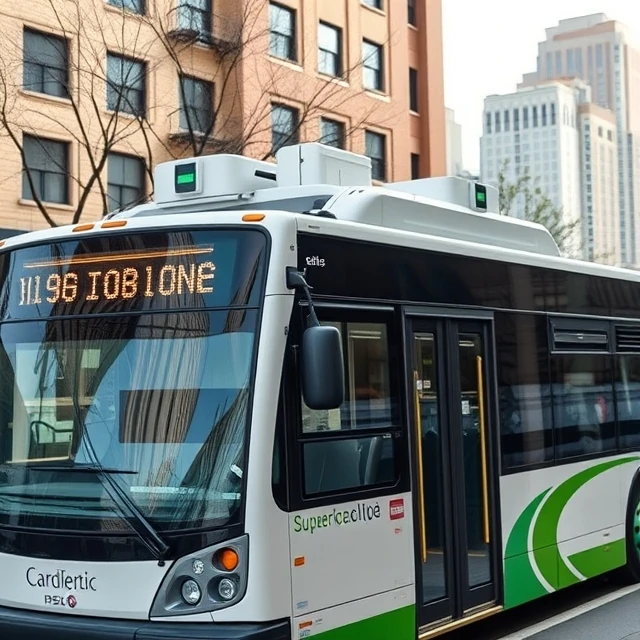
A supercapacitor stores energy electrostatically, not chemically. It uses porous electrodes with enormous surface area. Ions cling to the surface without a chemical reaction. That makes charging and discharging extremely fast. A supercapacitor can charge in seconds and deliver bursts of power that would damage a battery.
Its strengths are power density and cycle life. It can handle hundreds of thousands of cycles with little degradation. It works well in cold weather. It is safe, with no risk of thermal runaway. These traits suit applications like regenerative braking, grid frequency regulation, and backup power for data centers.
Its weakness is energy density. A supercapacitor stores far less energy per kilogram than a lithium-ion battery. That limits it to short bursts. Researchers are developing hybrid devices that combine battery-like energy density with capacitor-like power. For now, supercapacitors complement batteries rather than replace them.
Key features
- Fast charge and discharge
- Long cycle life
- High power density
- Low energy density
- Safe operation
Comments
No comments yet. Be the first to share a thought.
Leave a comment