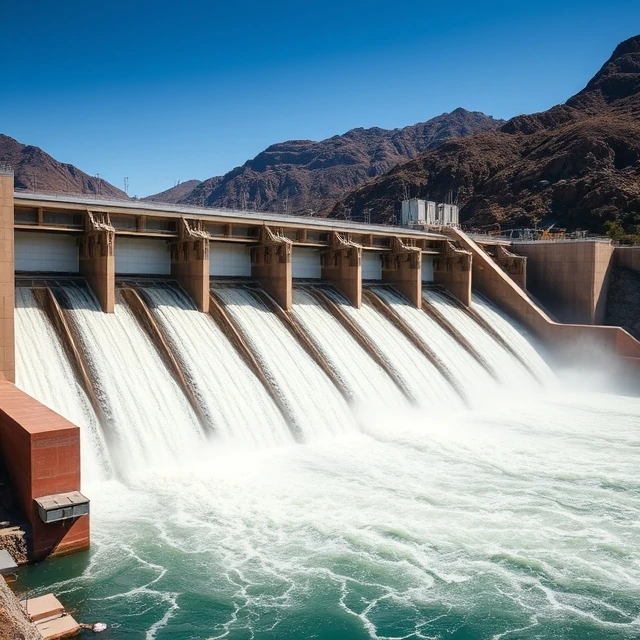
Renewable energy comes from sources that naturally replenish. Sunlight, wind, water, geothermal heat, and biomass all qualify. Unlike coal, oil, and gas, they will not run out on human timescales. Most produce little or no greenhouse gas during operation.
Solar and wind have grown fastest. Costs have fallen sharply. Solar panels that cost $40 per watt in 1970 now cost under $0.30. Wind turbines have gotten taller, with longer blades that capture more energy. Together, they now supply a growing share of electricity in many countries.
Renewables have challenges. Sun and wind are variable. Grids must adapt with storage, transmission, and flexible demand. Hydro and geothermal are steadier but limited by geography. Biomass is renewable only if regrown sustainably. The transition is underway, but fossil fuels still dominate global energy. The gap is closing slowly.
Common sources
- Solar
- Wind
- Hydropower
- Geothermal
- Biomass
Comments (3)
Leave a comment