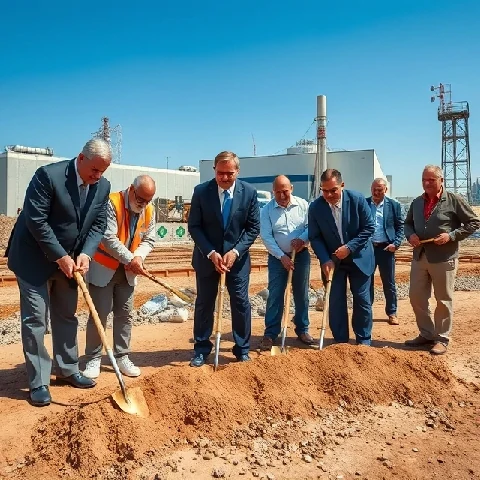
Foreign direct investment happens when a company invests in business operations in another country. It is not just buying stocks. FDI means building a factory, acquiring a local firm, or setting up a subsidiary. The investor takes a lasting interest and often a management role.
Countries compete for FDI because it brings capital, jobs, and technology. A new plant creates employment and tax revenue. It also transfers skills and connects the local economy to global supply chains. The benefits are not automatic. Some investments extract resources without leaving much behind.
FDI flows are influenced by stability, rule of law, infrastructure, and market size. Investors avoid countries with unpredictable regulations or weak courts. They are drawn to places with skilled workers and reliable power. Governments offer tax breaks and streamlined permits to attract them. The competition can be fierce.
Forms of FDI
- Greenfield investment: building new facilities
- Mergers and acquisitions
- Joint ventures with local firms
- Expanding existing foreign operations
- Vertical and horizontal integration
Comments
No comments yet. Be the first to share a thought.
Leave a comment