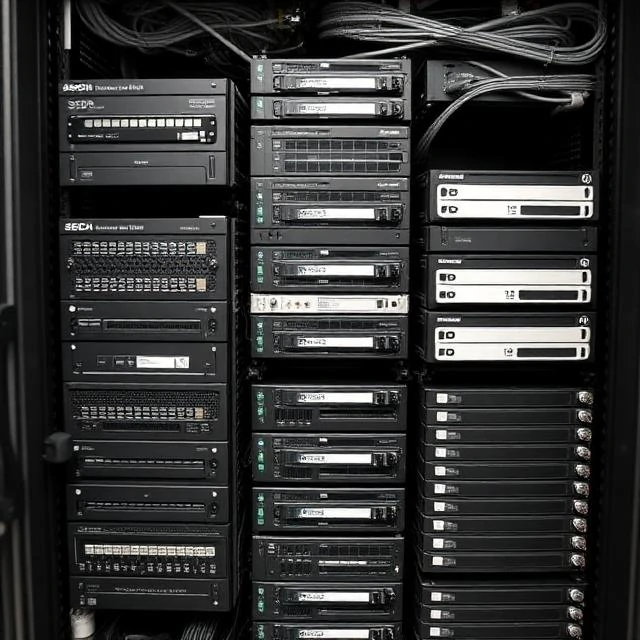
Data storage retains data on physical or cloud media. Hard drives, solid-state drives, tape, optical discs, and cloud object storage all serve different purposes. The choice depends on access patterns, capacity, durability, and cost. Hot data that is accessed constantly lives on fast SSDs. Cold data that is rarely touched goes to tape or cheap cloud tiers. The storage layer is where data lives between creation and deletion.
Storage technology has changed dramatically. Spinning disks dominated for decades. SSDs replaced them for performance-sensitive workloads. Cloud object storage decoupled storage from servers and made capacity effectively unlimited. Tape did not die. It remains the cheapest option for long-term archiving, and its capacity keeps growing. The trade-offs are always the same: speed, capacity, durability, and cost. You can optimize for two or three, never all four. A system that needs fast access to petabytes will be expensive. A system that needs cheap storage for petabytes will be slow. Storage architecture is about matching the medium to the workload. Tiered storage moves data between media as access patterns change. Data that was hot last month may be cold this month. The storage system adapts. The goal is to pay for performance only where it is needed.
Storage types
- SSD — fast, expensive, used for active data
- HDD — slower, cheaper, high capacity
- Tape — slowest, cheapest, used for archives
- Object storage — cloud-native, scalable, HTTP-accessible
- Network-attached storage — shared file storage for teams
Data storage is a trade. Speed, capacity, durability, and cost pull against each other. Pick the balance that fits the workload.
Comments
No comments yet. Be the first to share a thought.
Leave a comment