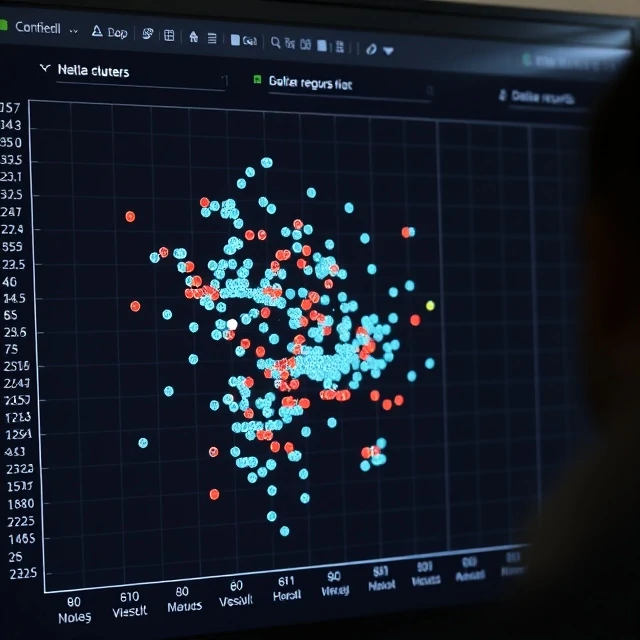
Data mining finds patterns in large datasets. It uses statistics, machine learning, and database techniques to uncover relationships that are not obvious. A retailer discovers that customers who buy diapers also buy beer on Friday evenings. A bank finds that certain transaction patterns predict fraud. A hospital identifies risk factors for readmission. The patterns are real. Whether they are useful depends on what you do with them.
Data mining is not the same as data analytics. Analytics tests hypotheses. Mining generates them. You do not know what you are looking for. The algorithm finds correlations and anomalies. Then a human decides which ones matter. That last step is critical. Correlation is not causation. A pattern may be spurious. It may reflect a confounding variable. It may be a data artifact. Mining produces candidates, not conclusions. The techniques include clustering, classification, regression, association rules, and anomaly detection. Each suits different problems. The tools have become accessible. Python libraries and cloud services let analysts run complex algorithms without deep expertise. The risk is misuse. Running a thousand models and picking the one with the best result is not discovery. It is overfitting. The pattern must hold on new data to be real.
Data mining techniques
- Clustering — group similar records
- Classification — assign records to categories
- Association rules — find items that co-occur
- Regression — model relationships between variables
- Anomaly detection — identify unusual records
Data mining finds patterns. Humans decide what they mean. The algorithm is a tool, not an oracle.
Comments
No comments yet. Be the first to share a thought.
Leave a comment