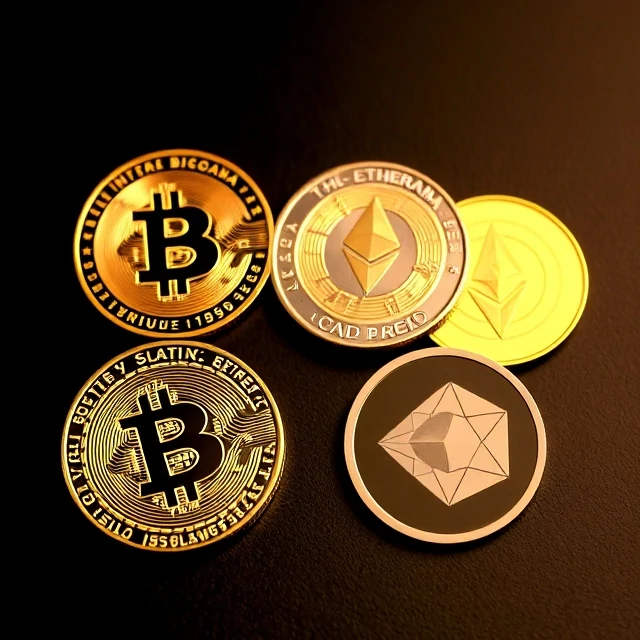
A coin is the native asset of its own blockchain. Bitcoin is a coin. Ether is a coin. Solana's SOL is a coin. They exist to pay transaction fees, reward validators, and serve as the economic base of the network. Without a native coin, there is no way to compensate the people who secure the chain. The coin is not just a token that happens to live on a blockchain. It is the reason the blockchain runs.
Coins are minted according to protocol rules. Bitcoin caps supply at 21 million. Ethereum has no hard cap but uses fee burning to manage issuance. Validators or miners receive new coins for doing their job. Users spend coins to send transactions. The coin is both an incentive and a utility. That dual role distinguishes it from tokens, which are built on top of an existing blockchain and do not secure the base layer. Ethereum's ERC-20 standard made it easy to create tokens, but ETH remains the coin that pays for everything on that network.
Coin vs token
- Coin — native asset of a Layer 1 blockchain, secures the network
- Token — built on an existing blockchain, serves a specific application
- Examples of coins — BTC, ETH, SOL, ADA, XRP
- Examples of tokens — USDC, UNI, LINK, ARB
The distinction matters for fees. Sending an ERC-20 token on Ethereum costs ETH for gas, not the token itself.
Comments (2)
Leave a comment