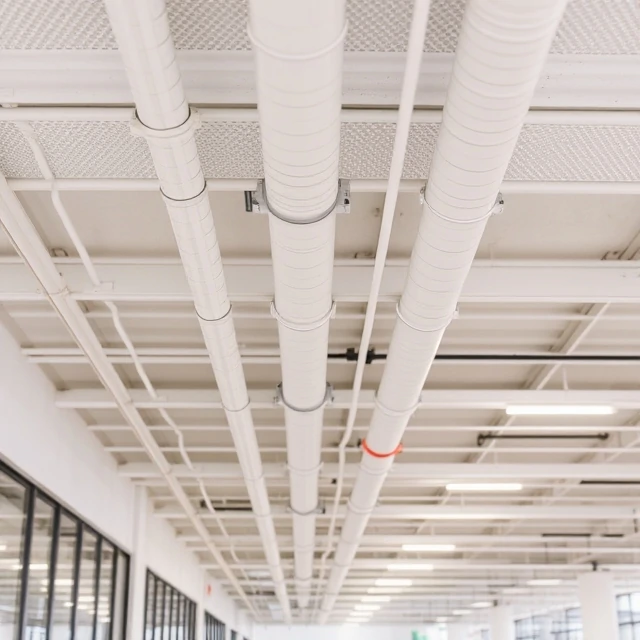
Electrical conduit is a tube that protects and routes electrical wiring. It is made of metal or plastic. It shields the wires from damage, moisture, and chemicals. It also contains the wires if they spark, reducing fire risk. Conduit is used in commercial and industrial buildings, where code often requires it. It is also used in exposed locations, like garages, basements, and outdoors. In residential walls, wires are usually run without conduit, but in concrete or masonry, conduit is required.
Conduit comes in several types. Rigid metal conduit, or RMC, is heavy steel and provides the most protection. Intermediate metal conduit, or IMC, is thinner but still strong. Electrical metallic tubing, or EMT, is the most common in commercial buildings. It is lightweight and easy to bend. Flexible metal conduit, or greenfield, is used for vibration and tight spaces. PVC conduit is used underground and in corrosive environments. Each type has its own fittings, bends, and installation methods.
Conduit sizing is based on the number and size of wires. The National Electrical Code specifies the fill limits. Too many wires in a conduit can overheat and damage the insulation. The conduit must be supported at regular intervals. It must be grounded. It must be continuous and watertight in wet locations. Conduit is not just a raceway. It is part of the electrical system's safety. It is installed by electricians, inspected by code officials, and hidden behind walls and above ceilings. It is the skeleton of the electrical system.
Comments
No comments yet. Be the first to share a thought.
Leave a comment