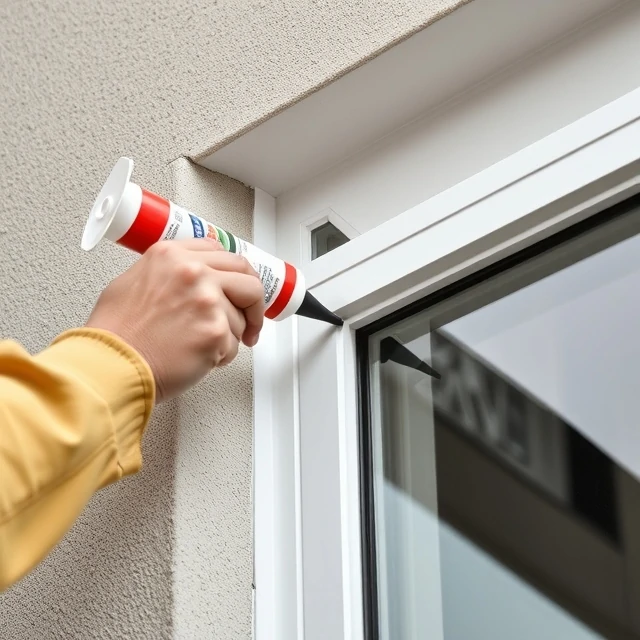
Caulking seals joints and gaps with a flexible compound. It keeps water out, air out, and sometimes sound out. It fills the gap between a window frame and a wall, between two panels, or between a countertop and a backsplash. It is a small detail that prevents big problems. A poorly caulked joint lets water in, which can rot wood, corrode metal, and grow mold. A well-caulked joint is invisible and lasts for years.
Caulk comes in several types. Silicone caulk is flexible and waterproof, ideal for bathrooms and kitchens. Acrylic latex caulk is paintable and easy to clean up, ideal for interior trim. Polyurethane caulk is strong and durable, ideal for exterior joints. Butyl rubber caulk is used for gutters and flashing. Each has its own adhesion, flexibility, and cure time. The choice depends on the substrate and the exposure.
Applying caulk is straightforward but requires care. The joint must be clean and dry. Old caulk must be removed. Backer rod may be inserted for deep joints. The caulk is applied with a gun, then tooled with a finger or a tool to create a smooth, concave bead. That shape allows the caulk to stretch and compress without tearing. Caulking is not a permanent fix. It dries out, cracks, and peels. It must be inspected and replaced every few years. It is maintenance, not construction. But it is essential maintenance.
Comments
No comments yet. Be the first to share a thought.
Leave a comment