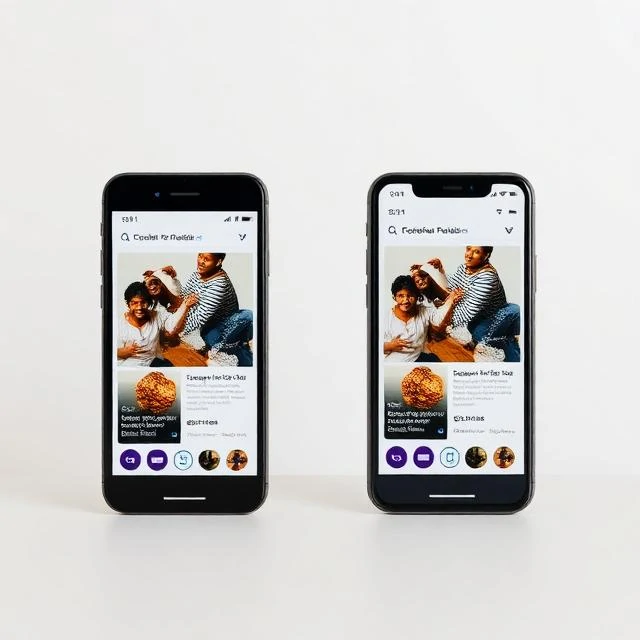
Two versions of a webpage or app screen are shown to similar audiences, and the results are compared. A/B testing is that controlled experiment. Version A might have a green button; version B a blue one. The version that produces more clicks, sign-ups, or purchases is declared the winner and is often adopted as the new default.
The method rests on statistical principles. Traffic is split randomly so that the two groups are comparable. Enough data must be collected to distinguish a real difference from random variation. Tests can examine headlines, images, layouts, pricing displays, or entire user flows. The goal is to replace guesswork with evidence about what actually moves users to act.
A/B testing is widely used in digital marketing and product development because the feedback loop is fast and the costs are relatively low. It is less suited to questions that require long-term observation or that involve complex interactions among many variables. When applied carefully, it turns design decisions into measurable hypotheses and steadily improves conversion and user experience.
Comments
No comments yet. Be the first to share a thought.
Leave a comment