Feminism is not a single idea. It is a movement, or rather a family of movements, advocating for gender equality. It seeks to end sexism, sexist exploitation, and oppression. The term dates to the late 19th century, but the ideas are older. Mary Wollstonecraft's 1792 book argued for women's education and reason.
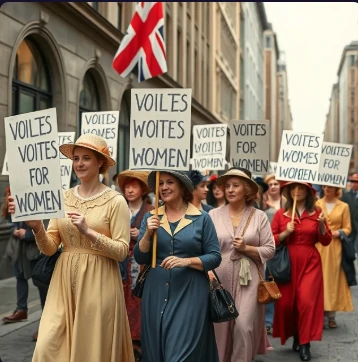
Feminism has waves. First-wave feminism focused on suffrage and legal rights. Second-wave, in the 1960s and 70s, tackled workplace discrimination, reproductive rights, and domestic violence. Third-wave, from the 1990s, emphasized intersectionality — the idea that gender overlaps with race, class, and sexuality. Fourth-wave, enabled by social media, targets harassment and online misogyny.
Core concerns
- Equal pay and economic opportunity
- Reproductive rights and healthcare
- Ending violence against women
- Challenging beauty standards and media representation
- Intersectional justice across race, class, and sexuality
Feminism is not monolithic. Liberal, radical, socialist, Black, and transnational feminisms differ in strategy and emphasis. What they share is a commitment to ending gender-based injustice.
Comments
No comments yet. Be the first to share a thought.
Leave a comment