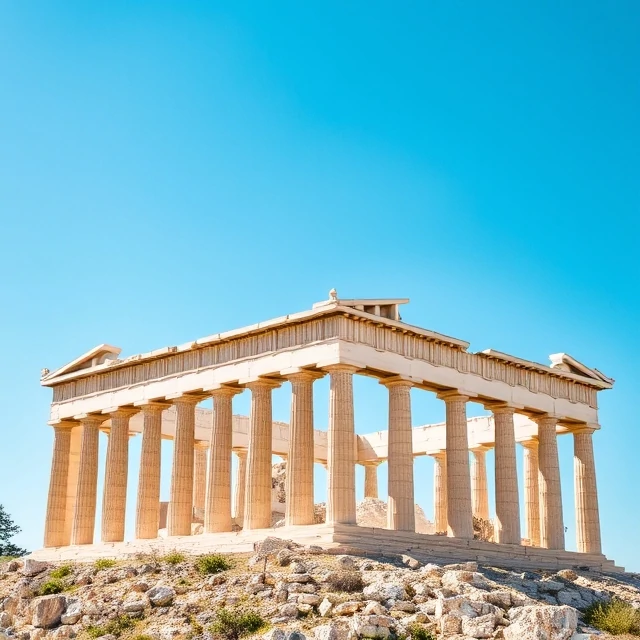
City-states on the Aegean shores produced ideas that traveled far beyond their size. Greek civilization, flourishing especially between the eighth and fourth centuries BCE, developed distinctive forms of politics, philosophy, drama, and visual art that later cultures repeatedly reinterpreted.
Athens experimented with democratic institutions; Sparta perfected a militarized oligarchy. Thinkers from Thales to Aristotle asked systematic questions about nature, ethics, and knowledge. Epic and lyric poetry, tragedy, and comedy explored human experience in public festivals. Colonization and trade spread Greek language and styles across the Mediterranean.
Conquest by Macedon and then Rome did not erase Greek cultural prestige; it amplified it. Archaeological sites, inscriptions, and literary texts preserved through Byzantine and Islamic transmission allow detailed reconstruction. The selective appropriation of the Greek past has itself become a subject of historical study.
- Ancient culture of the Aegean city-states
- Developed democracy, philosophy, and drama
- Spread through colonization and later conquest
- Profoundly influenced subsequent traditions
Comments
No comments yet. Be the first to share a thought.
Leave a comment