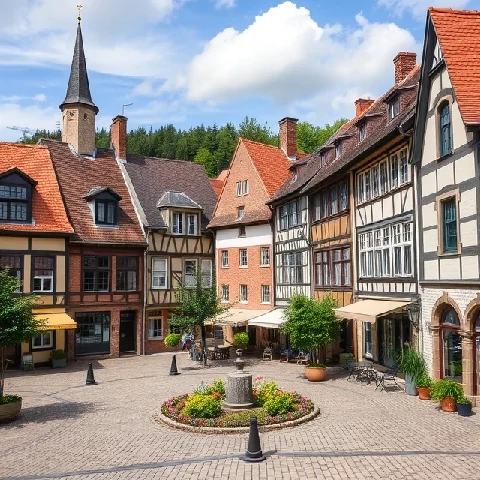
Location tells where; place tells what it is like. In geography, place refers to a specific location that has acquired meaning through its physical attributes and the human experiences associated with it. Sense of place grows from memory, culture, and daily life.
Physical characteristics—climate, landforms, vegetation—combine with human elements such as architecture, language, and economic activity. Two locations at similar latitudes can feel entirely different because of these layered qualities. Placelessness describes environments that lack distinctive character.
Geographers study how places are created, contested, and transformed. Tourism, migration, and media all reshape the meanings attached to places. Understanding place helps explain why people form attachments to particular towns, landscapes, or neighborhoods.
- Specific location with distinct character
- Combines physical and human attributes
- Carries emotional and cultural meaning
- Central concept in human geography
Comments
No comments yet. Be the first to share a thought.
Leave a comment