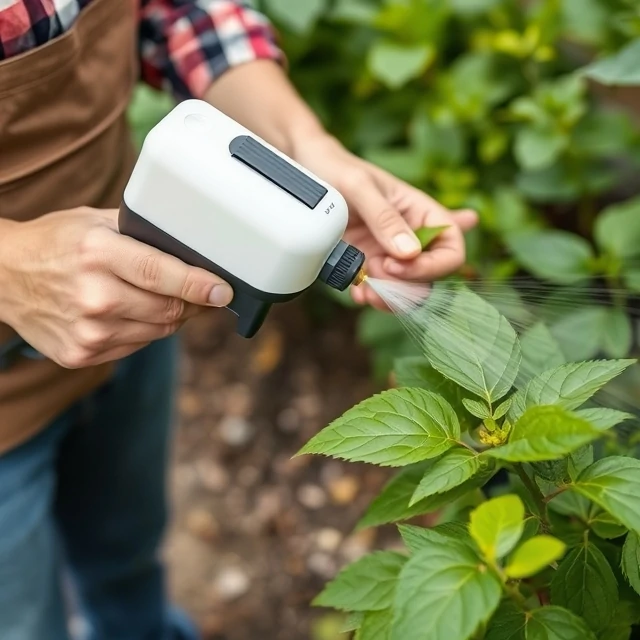
When pests threaten crops or ornamentals, gardeners sometimes turn to chemical controls. A pesticide is any substance used to kill, repel, or manage organisms that harm plants. The term covers insecticides, fungicides, herbicides, and other targeted products.
Products differ widely in their mode of action and residual activity. Some contact the pest directly; others are systemic and move inside plant tissues. Broad-spectrum materials affect many organisms, while selective ones target specific groups. Label instructions dictate rates, timing, and safety precautions.
Responsible use begins with accurate identification and consideration of alternatives. Beneficial insects, physical barriers, and resistant varieties often reduce the need for sprays. When pesticides are applied, precision and restraint protect both the applicator and the wider garden ecosystem. Resistance can develop if the same active ingredient is used repeatedly.
- Substance used to control harmful organisms
- Includes insecticides, fungicides, and herbicides
- Requires careful following of label directions
- Best combined with non-chemical methods
Comments
No comments yet. Be the first to share a thought.
Leave a comment